
Last updated November 2, 2026
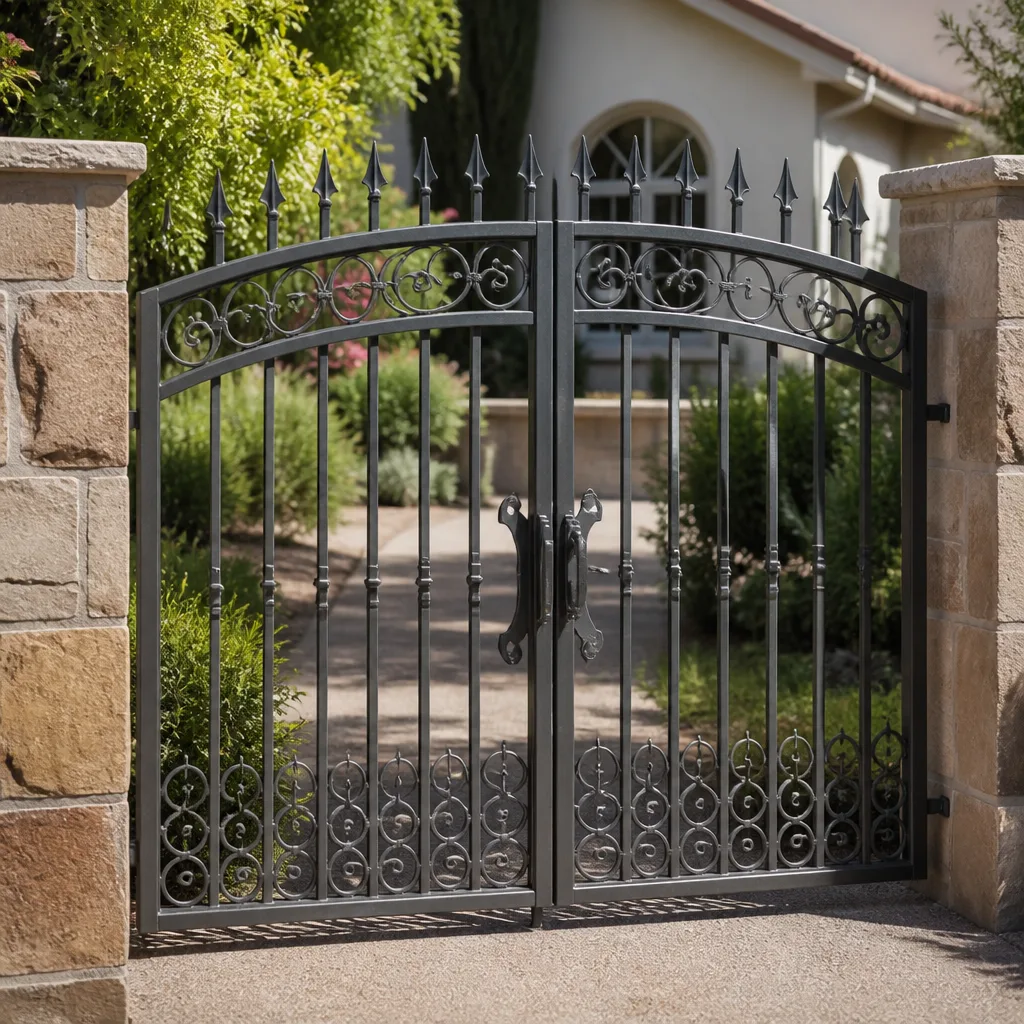 Wrought iron
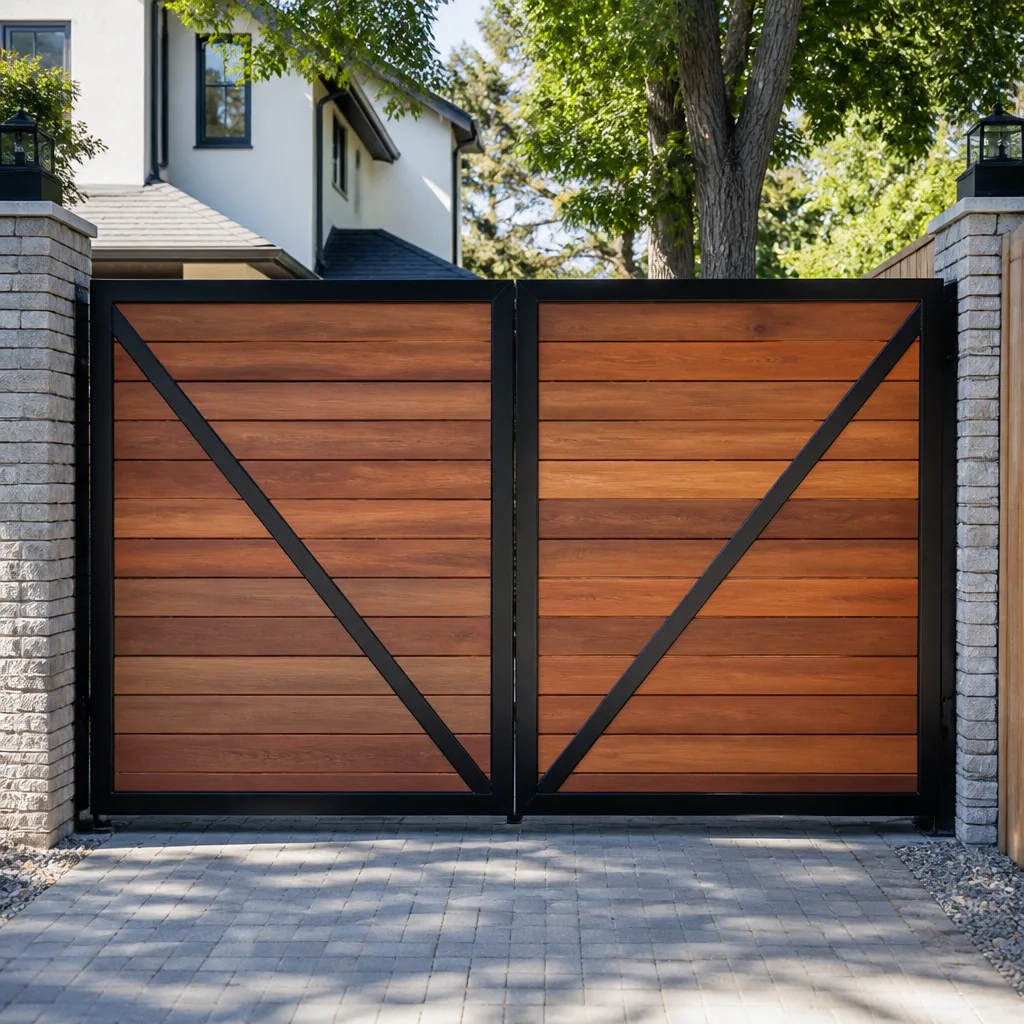 Wood & steel frame
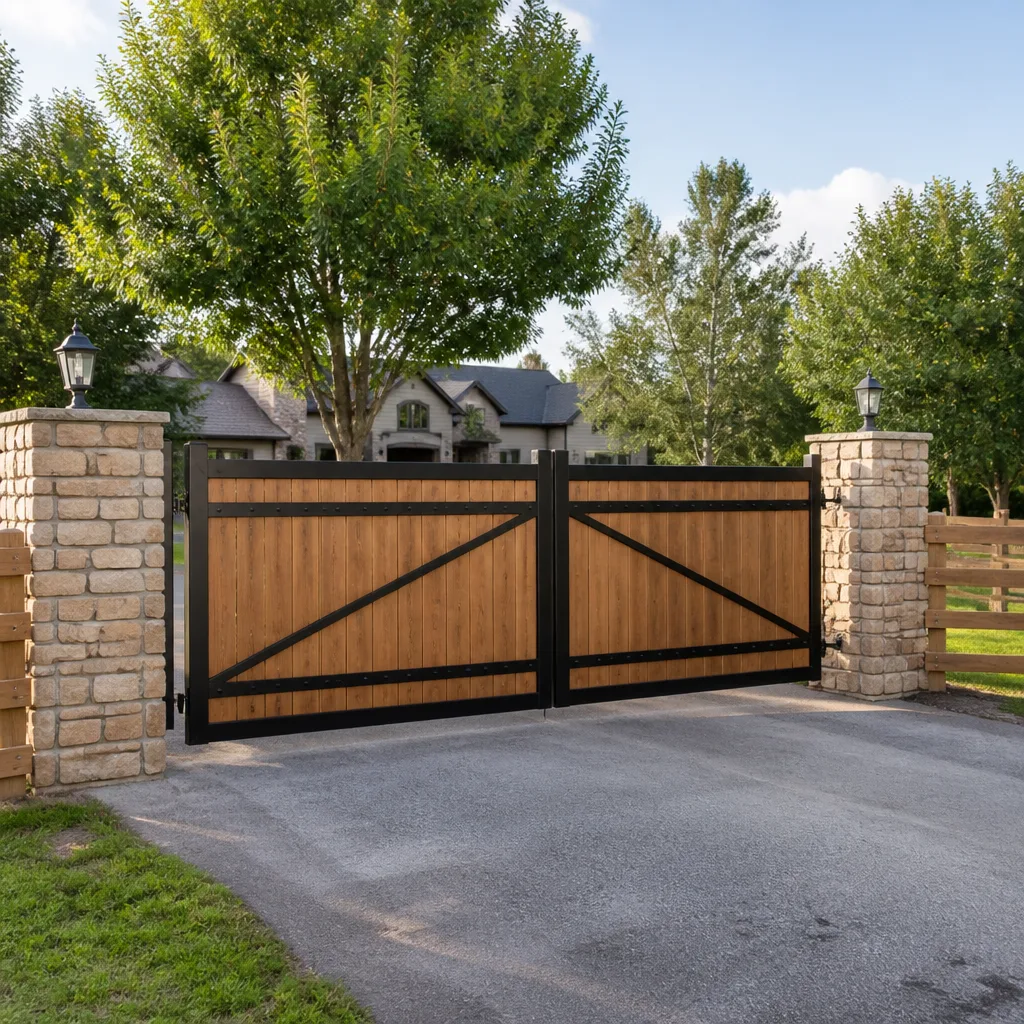 Farm & ranch
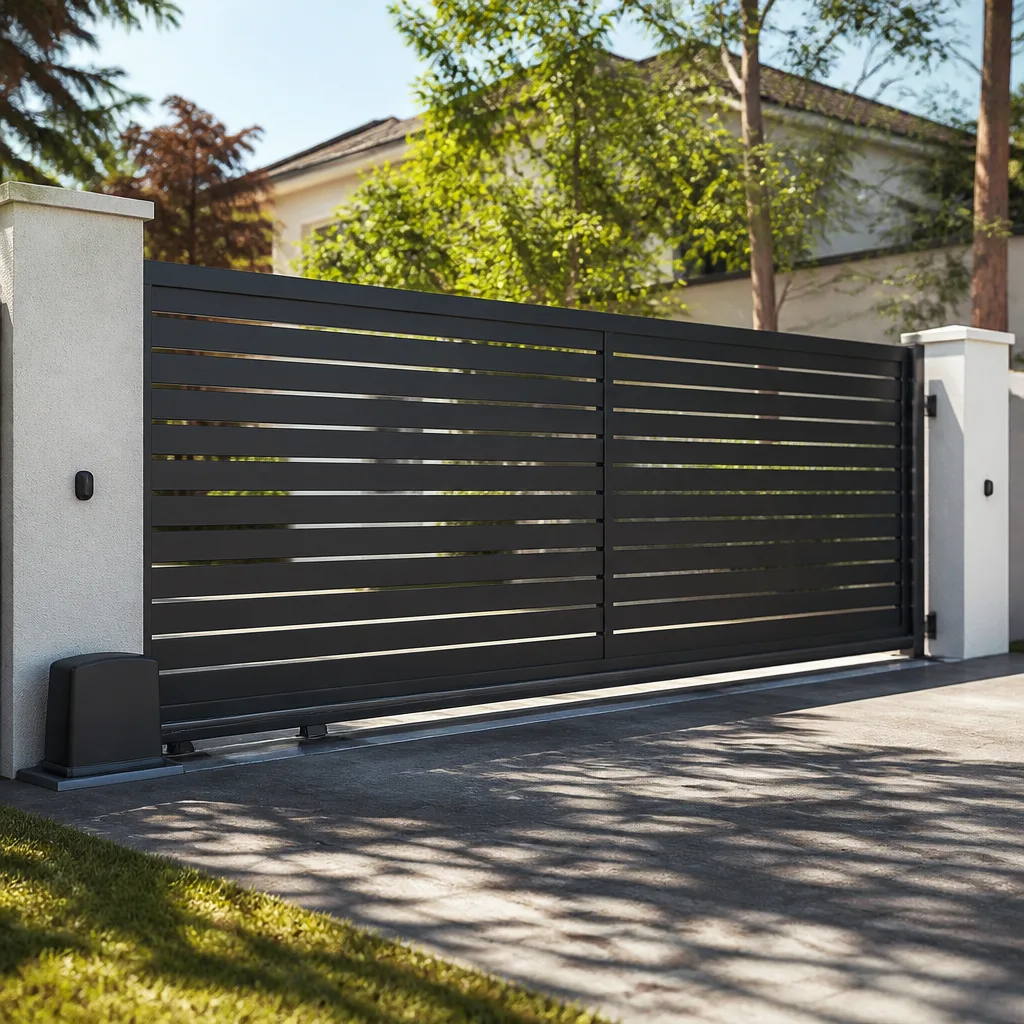 Sliding driveway gates
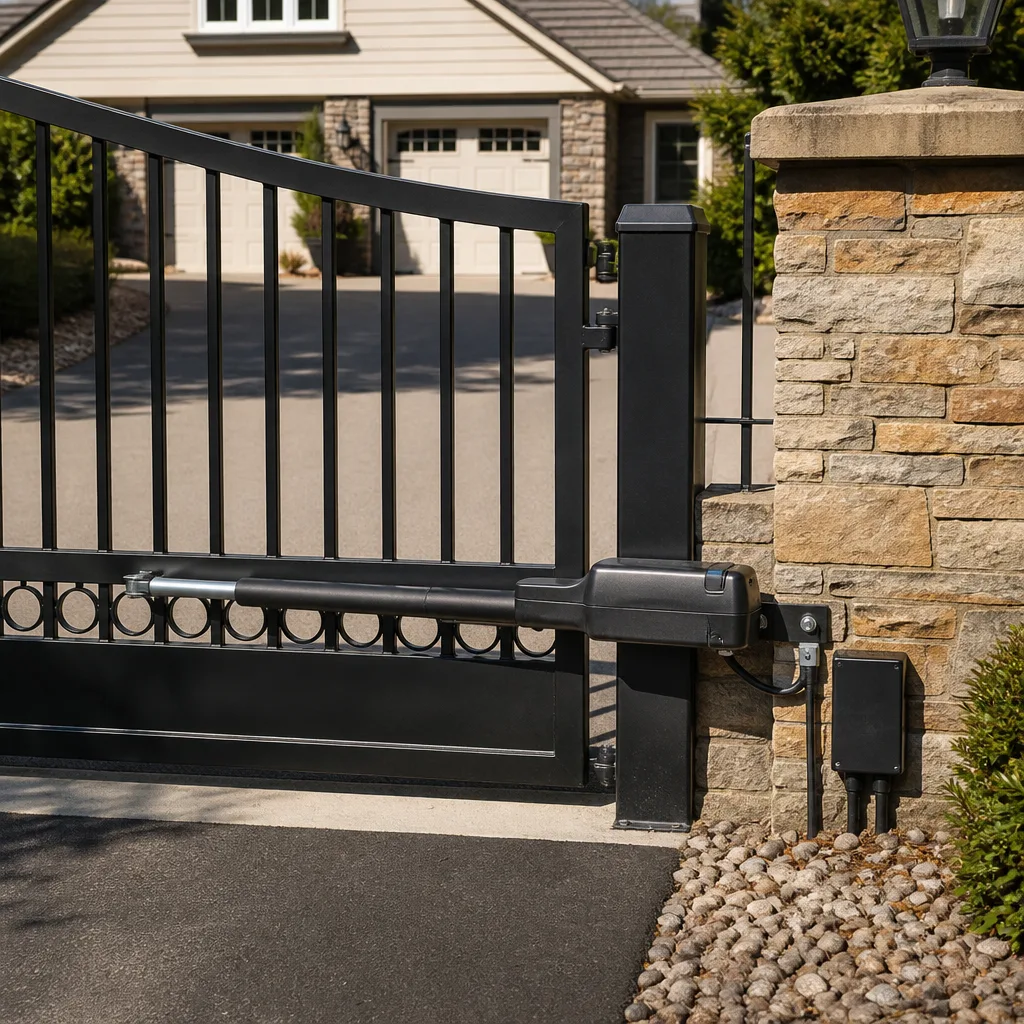 LiftMaster operators
Free on-site gate assessment - hinges, posts, and your LiftMaster or Nice gate operator checked before anything is quoted
The assessment is free and the quote is the invoice.
Get your free estimateGate Repair Cost Breakdown: The Lake View Terrace Homeowner’s Reference for 2026
The part itself rarely accounts for more than 40% of a gate repair invoice. The other 60% is labor, diagnostics, trip fees, markup, and the technician’s judgment about what actually needs fixing. In Lake View Terrace, where long driveways, hillside properties, and equestrian zoning mean gates are often heavier, longer, and harder on their hardware than the county average, that 60% matters more than most homeowners realize. This Gate Repair Maintenance Checklist for Lake View Terrace Homeowners and guide breaks down the real anatomy of gate repair pricing in 2026 so you can evaluate any quote intelligently. You’ll learn what common repairs actually cost in the LA County area, how brand choices affect parts pricing, which deferrals turn into expensive failures, and how to read a written estimate without getting taken.
Styles & brands we work with
- Wrought iron
- Wood & steel frame
- Farm & ranch
- Sliding driveway gates
- LiftMaster operators
Quick Answer
Gate repair in Lake View Terrace typically costs between $180 and $1,500 depending on the failure. Most mechanical repairs – hinge replacements, wheel and track work, chain adjustments – land between $180 and $550. Electrical and operator jobs like control board replacement, loop detector installation, or a full operator swap run $650 to $1,500. Most reputable gate specialists in LA County quote the full price before any work begins.
Table of Contents
- The Real Anatomy of a Gate Repair Invoice
- What the 8 Most Common Repairs Actually Cost in 2026
- How Brand Affects Parts Cost: OEM vs. Aftermarket
- The Real Cost of Deferring Repair
- What Emergency Service Actually Costs
- How to Read and Challenge a Gate Repair Quote
- What Makes Lake View Terrace Gate Repair Different
- Common Mistakes to Avoid
- When to Call a Professional
- Frequently Asked Questions
- The Bottom Line
The Real Anatomy of a Gate Repair Invoice
When you get a gate repair quote, you’re paying for four things. The part is the most visible charge and the one most homeowners focus on. But the other three line items are where quotes get padded or, just as often, where a cheap quote hides its real cost.
1. Labor time. Gate technicians in LA County bill between $85 and $145 per hour in 2026. A hinge replacement on a standard single swing gate might be a 90-minute job. The same hinge replacement on a 16-foot custom ornamental gate with sag issues and post alignment problems becomes a three-hour job. Lake View Terrace properties skew toward the longer side because many homes have wide driveway entries, horse-trailer access, or custom steelwork built for the area’s equestrian zoning.
2. Trip and diagnostic fees. Most gate specialists charge a trip fee of $59 to $99 to come out, or fold the diagnostic into the repair if you approve the work on the spot. Some companies waive the trip fee entirely if you proceed with the repair. Others charge it no matter what. The difference matters when you’re comparing quotes, but a waived trip fee on a repair you approved means nothing if the labor rate is inflated to compensate.
3. Parts markup. Every trade marks up parts. In gate repair, a fair markup on components runs 10% to 35% over what you’d pay online. A technician who stocks the part on the truck and installs it same day is providing real convenience, and that convenience has a price. But if you’re quoted $210 for a control board you can find for $95, the markup is over 100%, and that’s a signal to ask questions. More on this in the quotes section below.
4. Risk and warranty cushion. A legitimate gate specialist factors in the cost of standing behind the work. If a weld fails six weeks later, they come back and fix it on their dime. That warranty is built into the quote whether it appears as a line item or not. Companies that underprice are often companies that ghost you when the repair fails.
In our experience with Lake View Terrace properties, a well-priced gate repair quote has parts at 30-40% of the total and labor plus diagnostics making up the balance. When parts dominate the invoice, check the markup. When labor dominates, check the projected time and whether the scope is actually necessary.
What the 8 Most Common Repairs Actually Cost in 2026
These ranges reflect what we’ve seen across the northeast San Fernando Valley in 2025 and project into 2026 based on current parts availability and labor trends in LA County. Every range assumes a fair markup, competent workmanship, and no hidden trip-fee games.
1. Hinge Replacement: $180 – $450 per pair
Hinges fail slowly. They sag, the gate drags, and eventually the weld or the bolt holes give out. A standard pair of barrel or ball-bearing hinges for a residential swing gate runs $40 to $120 in parts. The labor is what drives the cost: unbolting the old hinges, supporting the gate, aligning the new ones, and often repairing the post or the gate frame where the metal has wallowed out. On custom ornamental gates, you may also pay for touch-up paint or powder coat. Count on $180 for a straightforward swap and up to $450 when alignment and post repair are involved.
2. Operator (Motor) Swap: $650 – $1,500
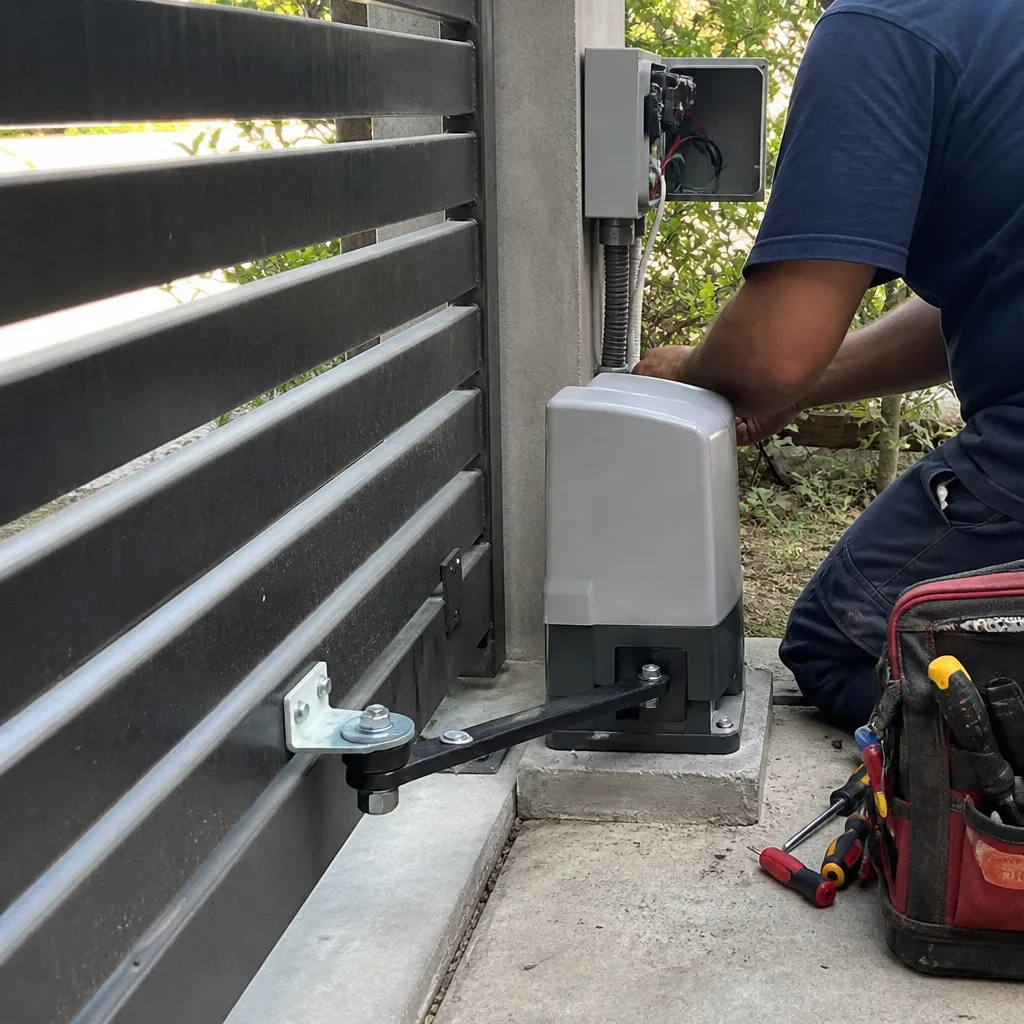
When the gate opener itself dies, you’re looking at the biggest common repair bill. A residential swing or slide gate operator from LiftMaster, FAAC, or Mighty Mule runs $350 to $900 for the unit, and labor adds $300 to $600 depending on access, wiring condition, and whether the mounting needs modification. Budget $650 for a basic direct replacement and up to $1,500 when the old operator was discontinued and the technician has to fabricate a new mounting plate or re-run the power feed. At Electric Gate Repair in Lake View Terrace, this is the kind of job where multi-brand familiarity matters: we can swap in a different brand without needing a dealer tech to come back and redo the programming.
3. Control Board Replacement: $400 – $850
The control board is the brain of the system: it interprets signals from remotes, keypads, loop detectors, and safety edges. Boards fail from electrical surges, water intrusion into the housing, and plain age. The board itself runs $150 to $400 depending on brand. Labor is another $250 to $450, because the technician has to diagnose that the board is truly the problem (not a blown fuse, not a bad transformer) and then re-program remotes, limit stops, and safety parameters from scratch. FAAC and BFT boards tend to cost more than Mighty Mule or Ghost Controls boards simply because those brands build for higher cycle counts.
4. Loop Detector Installation or Replacement: $300 – $600
Loop detectors are what let a gate know a car is present. They’re the unsung heroes of automatic gate systems and they fail more often than we’d like in Lake View Terrace because the soil shifts with the seasons and the wire connections corrode. A replacement loop detector module runs $80 to $200. If the loop wire itself in the driveway is broken, the job becomes an excavation project: cutting a new saw line in the asphalt or concrete, laying the wire, sealing the cut. That pushes the job into the $500 to $600 range. Many homeowners don’t realize the loop failed and think the operator is dead, which is why proper diagnostics on the front end save real money.
5. Intercom / Keypad Replacement: $350 – $800
Entry systems range from a simple wireless keypad to a full intercom with video. A basic keypad swap with programming runs $350 to $500. A full telephone-entry or video intercom system replacement at the gate pedestal and in the house runs $800 and up. Lake View Terrace has a mix of both: older properties with hard-wired intercoms from the 1990s and newer builds with app-based systems. The older a hard-wired system is, the more likely a “simple” intercom fix turns into rewiring.
6. Weld Repair: $200 – $500 per incident
Steel gates crack. They crack at the hinge mounts, at the operator attachment point, and anywhere water has been getting into the tube steel. A mobile weld repair with grinding, re-welding, and touch-up runs $200 to $500 depending on how many joints are failing and whether the gate has to come off its hinges for the repair. This is a job that can’t wait: a crack at the hinge or operator mount is a structural failure in progress, and a 300-pound gate that falls is a genuine hazard. In Lake View Terrace’s dry-wet seasonal pattern, surface rust accelerates around welds, so painting after the repair matters.
7. Wheel and Track Replacement (Slide Gates): $250 – $650
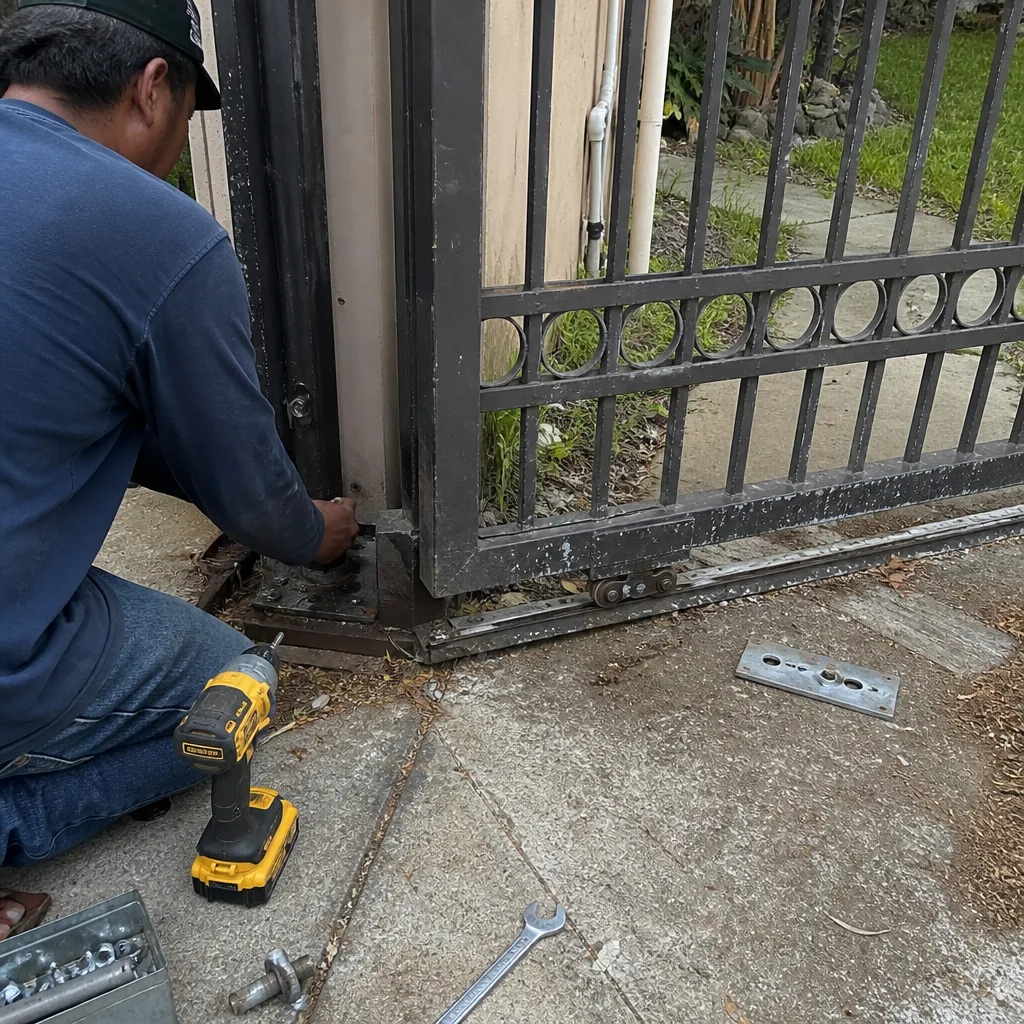
Slide gates ride on wheels along a track, and both wear out. New V-groove wheels run $30 to $75 each, and most residential slide gates need four to six. Replacing the track section is $150 to $350 in materials and labor. The most expensive part is usually the alignment: if the track has shifted or the concrete pad has settled, the technician has to re-level and re-anchor before the new wheels will roll properly. On the long, heavy slide gates common in Lake View Terrace’s horse properties, expect the higher end of the range.
8. Battery Backup Installation: $450 – $900
Battery backup keeps the gate operable during the power outages that come with Santa Ana wind events. This is more of an upgrade than a repair, but many homeowners discover they need it only after an outage leaves them stuck inside or outside their own property. Parts run $200 to $400 for the battery and charging relay, and installation is $250 to $500 depending on where the battery enclosure goes and how far it is from the operator. In our experience, Lake View Terrace residents ask about battery backup more than almost any other upgrade because the canyon wind corridors take down power lines predictably.
How Brand Affects Parts Cost: OEM vs. Aftermarket
If you own a LiftMaster gate operator, the OEM control board costs more than an aftermarket equivalent. The same is true of FAAC and Viking components. The question is whether the aftermarket part is appropriate, and the answer depends on what failed and who’s installing it.
OEM parts carry the manufacturer’s design spec and usually a one-year warranty honored through the original brand. They’re also guaranteed to fit. The trade-off is price and availability. FAAC and DoorKing OEM control boards frequently have lead times of a week or more unless the technician owns distributor relationships. BFT parts can be slow to arrive in the US market, which is a real-world problem when your gate is down and you’re parking on the street.
Aftermarket parts are typically 20% to 50% cheaper. For mechanical components like hinges, wheels, and chains, aftermarket is almost always fine, provided the part is sized correctly. For electrical components, it’s a case-by-case call. An aftermarket loop detector from a reputable manufacturer works perfectly well and saves you $60 to $120. An off-brand control board, though, is a gamble: programming quirks, shorter lifespans, and no warranty support when it fails. We tell Lake View Terrace homeowners that aftermarket electrical parts make sense for non-critical circuits, but the main control board is the one component where OEM is worth the premium.
A competent multi-brand technician has another lever: swapping brands when OEM parts for the old brand aren’t available quickly. If your FAAC board is dead and the only option is a two-week special order, a technician who works across brands can often install a functionally equivalent replacement from a different manufacturer with the same capabilities. That’s the practical difference between a technician who works on one brand by training and one who has diagnostic range. It’s not that brand-swapping is always better; it’s that having the option changes your repair timeline and your quote.
The Real Cost of Deferring Repair
A $180 chain adjustment ignored for six months becomes a $950 motor replacement. That’s not an estimate; it’s a pattern we see repeatedly in Lake View Terrace and across the valley.
Here’s how it happens. The chain on a slide gate operator stretches over time, and the gate starts to jerk or stall. The motor works harder to pull the same load. The limit switches get out of sync and the gate slams or stops mid-travel. Within a few months, the gearbox that connects the motor to the drive shaft is worn to failure. Now the repair isn’t a $180 chain adjustment plus a limit reset. It’s a new operator at $650 to $1,200 or a gearbox rebuild at $400 to $700, and in the meantime you’ve been cycling a gate that’s slowly destroying itself twice a day.
Other common deferrals and their escalation paths:
- Squeaking hinges become bent posts. A dry hinge squeaks for months. The gate binds, you (or your family) shove harder, the post takes a lateral load it wasn’t designed for, and now the post has shifted. Repairing a shifted post in concrete is $400 to $900. Lubricating and adjusting hinges before the bind set in is $150.
- A slow-responding keypad becomes a full access rewire. The keypad starts working intermittently. Moisture is getting in, or the wire jacket underground has a nick. Ignored long enough, the corrosion migrates up the wire run, and the repair becomes a trenching job plus a new keypad.
- A dragging wheel becomes a cracked gate frame. The wheel seizes, the gate drags on the track, and the repetitive stress finds the weakest weld in the frame. What began as a $75 wheel replacement ends as a $450 weld repair plus the wheel.
The pattern is consistent: the cheap problem is mechanical and early-stage. The expensive problem is mechanical or electrical failure caused by ignoring the cheap problem. In gate repair, deferral is never free money. It’s a loan with a 300% interest rate.
What Emergency Service Actually Costs
Emergency gate service in LA County commands a premium of $150 to $350 over standard rates. If your gate fails open at 2 a.m. on a Sunday, the call-out fee, hourly premium, and parts surcharge will roughly double the cost of the same repair scheduled for a Tuesday morning.
Whether that’s worth paying depends on what the emergency actually is. A gate stuck open is a security problem: your property is exposed and, in an area like Lake View Terrace where lots are large and street visibility is limited, that exposure is real. Our Gate Repair Emergency Preparedness Guide for Lake View Terrace Homes can help you plan ahead. A gate stuck closed with your car inside is an access problem: you’re late to work or stuck at home. A gate that opens but won’t close is often manageable for a night if you can secure the property another way.
Practical guidance for homeowners:
- If the gate is stuck open and you can’t secure the driveway, it’s worth paying the emergency rate. The overnight risk of theft or unauthorized access outweighs the $200 you’ll save by waiting for regular hours.
- If the gate is stuck closed but you don’t need to leave, wait for morning. You’re not exposed, and the repair will be dramatically cheaper.
- If the gate can be manually released and pushed open, then chained or padlocked for the night, do that and schedule regular service. Every automatic operator has a manual release mechanism, usually a keyed lever on the operator housing. It exists for exactly this situation. Use it, secure the gate with a chain, and call in the morning.
- If the control board is sparking, smoking, or the operator housing smells like burned electronics, kill power at the breaker and call for emergency service. That’s a genuine electrical hazard, not just an inconvenience.
Some companies advertise 24-7 emergency service but then charge the after-hours rate on top of an inflated base rate. The honest way to price an emergency is to show you the regular rate and the emergency adder separately. When we quote emergency service in Lake View Terrace, the price is broken down that way, and it’s agreed before we dispatch.
How to Read and Challenge a Gate Repair Quote
A fair gate repair quote has three characteristics: it’s itemized, it’s explained in plain language, and it’s firm. If you can’t tell what you’re paying for, or the number changes depending on who answers the phone, keep looking.
Here’s how to evaluate the line items:
- Parts: fair markup is 10% to 35%. If a part is quoted at double its retail price, ask why. Sometimes the answer is legitimate: the part is hard to source, the technician is stocking it on the truck and eating the inventory cost, or the manufacturer’s distributor markup in LA County is genuinely steep. But if the answer is vague, negotiate or walk.
- Labor: fair and non-negotiable at the stated rate. You’re not negotiating a skilled tradesperson’s hourly rate in 2026. What you can push back on is the projected time. If a hinge replacement is quoted at four hours when the industry standard is two, ask for the breakdown. A gate specialist should be able to explain the scope in detail.
- Trip fee: negotiable, often waivable. If you’re paying for a diagnostic and approving a repair, most companies will fold the trip fee into the repair. Worth asking.
- Warranty: not a line item, but you should see it in writing. 90 days is standard for labor in gate repair. Parts carry the manufacturer’s warranty. If a company won’t state its warranty terms, that’s a red flag that costs you later.
- Permit and code compliance: rarely required for repair, sometimes required for installation. In unincorporated LA County, which includes portions of Lake View Terrace, gate installations over a certain height or with automation may trigger local building department review. Ask the technician whether your job needs one. A specialist who says “we don’t do permits” on a job that needs one is setting you up for a stop-work order later.
The most important rule for any gate repair quote in Lake View Terrace: the price you approve is the price you pay. That’s been our operating standard from day one. If a company is unwilling to put a firm number on paper before the work starts, they’ve told you everything you need to know about the invoice that’s coming at the end.
What Makes Lake View Terrace Gate Repair Different
Lake View Terrace is not a generic LA suburb, and its gates aren’t generic either. Three factors shape what we see on service calls here more than almost anywhere else in the valley.
Equestrian zoning means gates are built for horses and horse trailers. Many properties are zoned for horses, and the gate has to clear a trailer that’s 8 feet wide and 10 feet tall. That means wider gates, taller gates, and heavier gates than the residential average. Wider and heavier translates to bigger operators, more wear on hinges and wheels, and higher repair costs when things fail. A standard residential swing gate operator that would handle a 12-foot gate in Mission Hills struggles with a 16-foot equestrian gate in Lake View Terrace.
Wind exposure on hillside lots puts a different kind of stress on gate hardware. The Santa Ana winds hit the foothills from the northeast, and a gate that faces the wind corridor acts like a sail. Operators built for moderate duty cycles get blown past their force limits. Wind-related failures are common: stripped gears, broken limit switches, and welds that crack from repeated force-loading. We see this in the winter months consistently, and it’s one of the reasons we recommend checking force settings on operators in exposed Lake View Terrace locations.
Soil movement affects slide gates and loop detectors. The foothill soil swells and contracts with the wet and dry seasons. Concrete pads shift slightly. Track anchors loosen. Loop wires underground stretch and eventually break. This is why slide gate alignment problems and failed loop detectors are more common here than in the flatter parts of the valley. It’s also why a repair that looks simple from the surface sometimes isn’t: the track has moved, and fixing the wheel without fixing the track just means the new wheel fails in six months.
Our service area for Gate Repair in Lake View Terrace covers the full neighborhood from Foothill Boulevard up into the hills, and we handle the same patterns on every street: heavy gates, wind-load failures, and shifting slide tracks. Knowing the territory means we quote accurately the first time.
Common Mistakes to Avoid
- Lubing a squeaky gate and calling it fixed. Grease quiets the noise but doesn’t fix the underlying problem. If a hinge is binding, lubrication buys a few weeks before the wear accelerates. The only fix is realignment or replacement.
- Buying a cheap operator online and hiring anyone to install it. The cheapest LiftMaster or Mighty Mule unit online is often gray-market, rebuilt, or missing the mounting hardware. A no-name installer won’t warranty it, and the manufacturer won’t either. You save $150 and buy a $700 repair in month four.
- Accepting a verbal quote. Anything not in writing doesn’t exist. A firm, itemized quote protects you from scope creep. If the company won’t write it down, they’re planning to test your memory at invoice time.
- Ignoring a gate that reverses mid-travel. The gate opens, starts to close, and reverses without reason. That’s usually a force-sensitivity setting or a failing safety edge. Ignoring it means the gate is applying excessive force, which is how gate-related injuries happen. This one is a safety issue, full stop.
- Replacing the operator without checking the mechanical condition of the gate. A new operator on a binding, sagging gate will die young. Any competent technician checks the gate’s movement before recommending electrical work. If your quote jumps straight to a new operator without a physical inspection of hinges, wheels, and track, find another technician.
- Choosing a gate company on price alone. The lowest quote is sometimes the best quote. It’s also sometimes a technician who doesn’t carry insurance, doesn’t warrant labor, and won’t answer the phone when the gate reverses a week later. The best filter in Lake View Terrace is word of mouth and a technician’s willingness to explain what they’re doing.
When to Call a Professional
Call a gate specialist when the gate reverse-mid travel, when the operator sparks or smells like burned electronics, when the gate has come off its track or dropped on its hinges, when the safety edges are visibly damaged, or when the gate won’t respond to any remote, keypad, or hardwired control. These are not weekend projects. They’re mechanical and electrical failures on a piece of equipment that weighs hundreds of pounds and operates under power. Gate Repair Lake View Terrace offers free estimates throughout Lake View Terrace, and we work on the equipment you own: LiftMaster, FAAC, BFT, Viking, DoorKing, Linear, Elite, Ghost Controls, and Mighty Mule. Call (833) 696-4511 and we’ll dispatch a gate technician who knows the territory.
Frequently Asked Questions
Most gate repairs in Lake View Terrace run between $180 and $1,500, with mechanical work at the lower end and electrical or operator replacement at the higher end. Hinge replacements, chain adjustments, and wheel swaps typically land between $180 and $550, while control boards, loop detectors, and full operator swaps run $650 to $1,500. For Gate Repair pricing on your specific gate, call (833) 696-4511 and we’ll give you a firm quote before any work begins.
For most mechanical repairs like hinge replacement, chain adjustment, or wheel work, same-day or next-day service is realistic, and we carry common parts on the truck. Electrical repairs and operator replacements may require a specific part that takes a day or two to source, particularly for OEM boards from FAAC, BFT, or DoorKing. Call (833) 696-4511 in the morning and we’ll give you an honest timeline by noon.
In our experience, the most common calls from Lake View Terrace are slide gate alignment problems and failed loop detectors. The area’s hillside soil shifts with the seasons, which knocks tracks out of alignment and breaks underground loop wire. Operator failures from wind overloading are a close third, especially during Santa Ana season.
A new residential gate opener costs $650 to $1,500 installed, depending on the brand, the gate’s weight and width, and whether the existing mounting and wiring can be reused. LiftMaster and Mighty Mule residential units land on the lower end. FAAC and BFT units built for higher cycle counts land on the higher end. We quote the full installed price, including programming, before we start.
We work on nine major gate and operator brands: LiftMaster, FAAC, BFT, Linear, Viking, Ghost Controls, DoorKing, Elite, and Mighty Mule. That range means we can often diagnose and repair on the first visit without referring you to a separate brand dealer. If you’re not sure what brand you have, describe the problem over the phone and we’ll help you identify it before a technician arrives.
If the gate itself is structurally sound and the cost of repair is under half the cost of replacement, repair is usually the right call. The decision hinges on the gate frame’s condition: rusted-through steel, cracked welds at multiple joints, or a sagging structure means the repair is a temporary patch on a failing asset. We’ll give you an honest assessment either way. If replacement makes sense, we handle Gate Installation in Lake View Terrace from start to finish.
The Bottom Line
Gate repair pricing in Lake View Terrace follows predictable patterns once you understand the anatomy. Parts are 30-40% of a fair invoice; the rest is skilled labor, diagnostics, and the warranty cushion that means the company actually comes back if the repair fails. Most common repairs run $180 to $550. Electrical and operator-level work runs $650 to $1,500. The most expensive repair is the one you deferred, because a $180 adjustment ignored becomes a $950 replacement. Stay ahead of the cheap fixes, get itemized written quotes, and choose a technician you can actually talk to. If you’re in Lake View Terrace and your gate is acting up, start with a free estimate from a gate repair specialist who knows this neighborhood’s gates and terrain. Call (833) 696-4511.
Written by the team at Gate Repair Lake View Terrace, serving Lake View Terrace since 2012. For more guides & resources, visit our blog.
See the difference
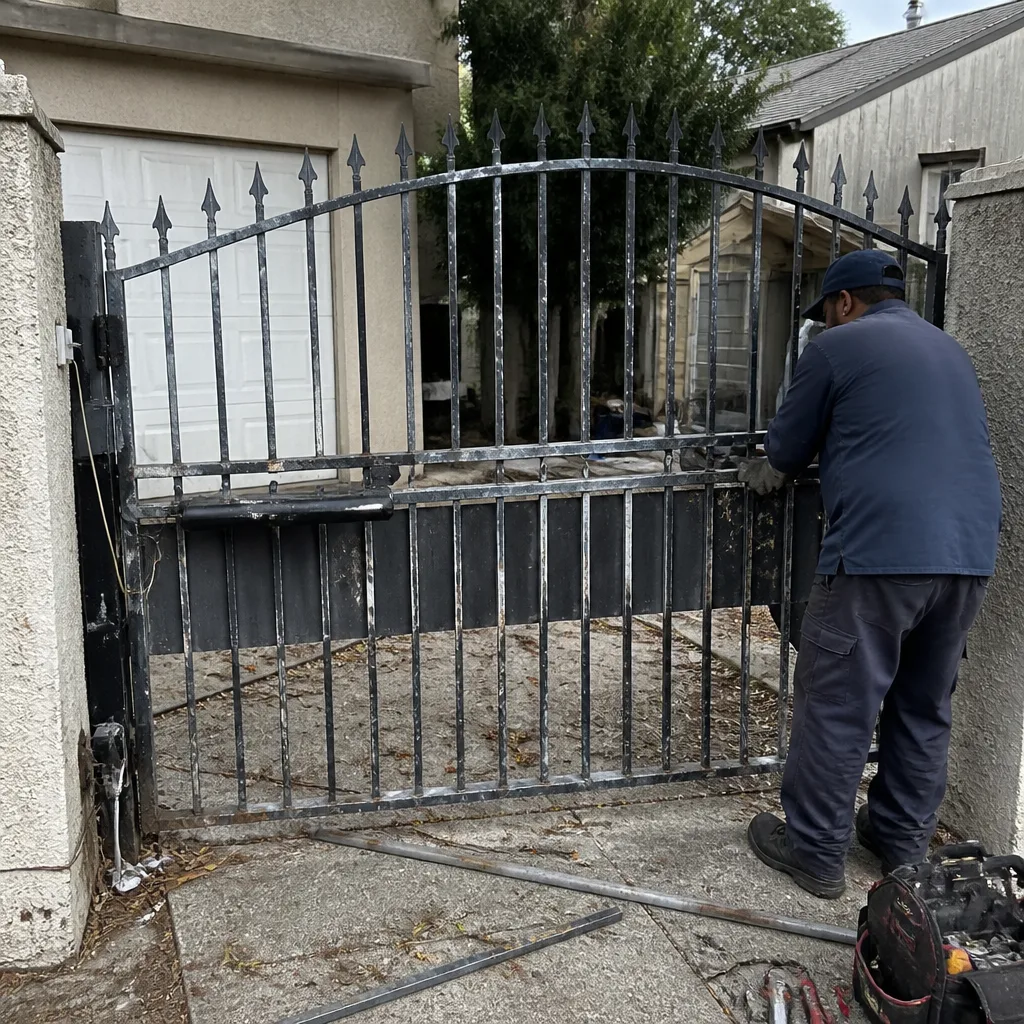 Before
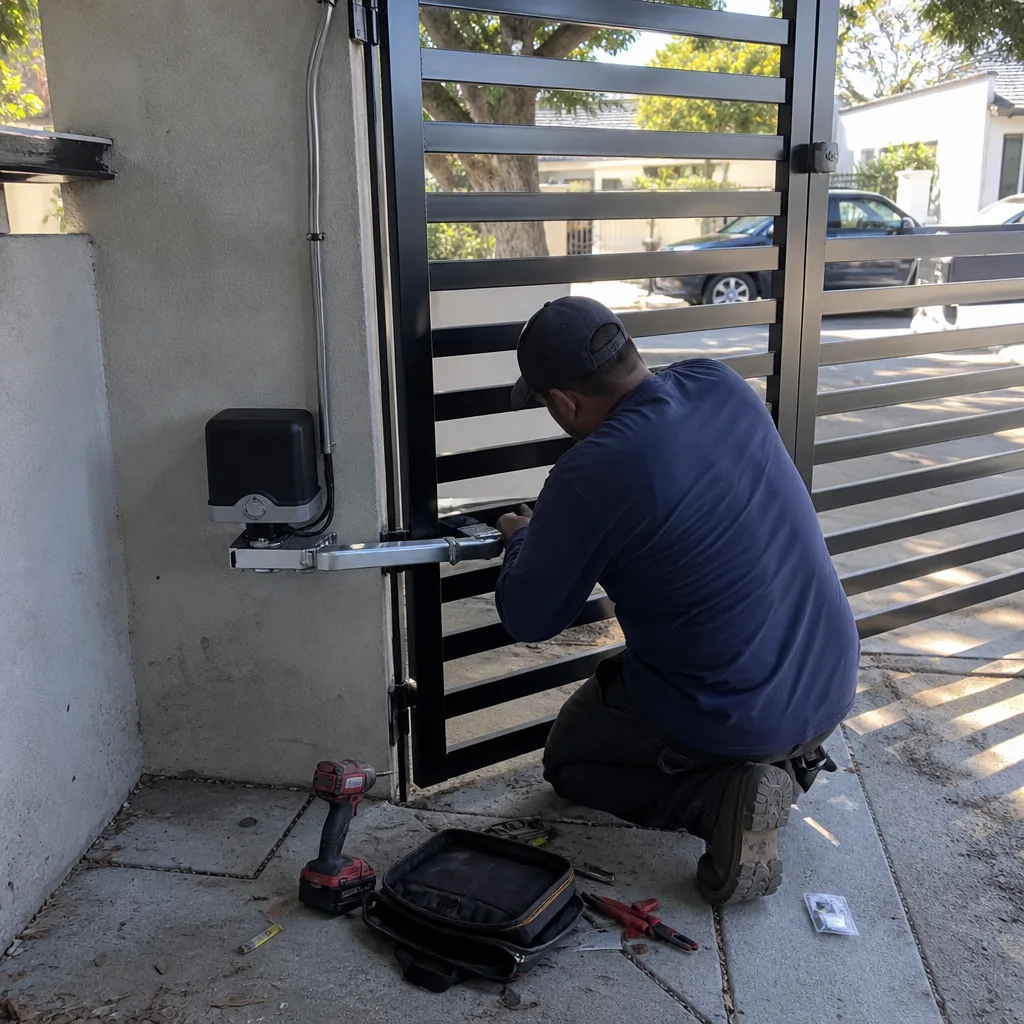 After
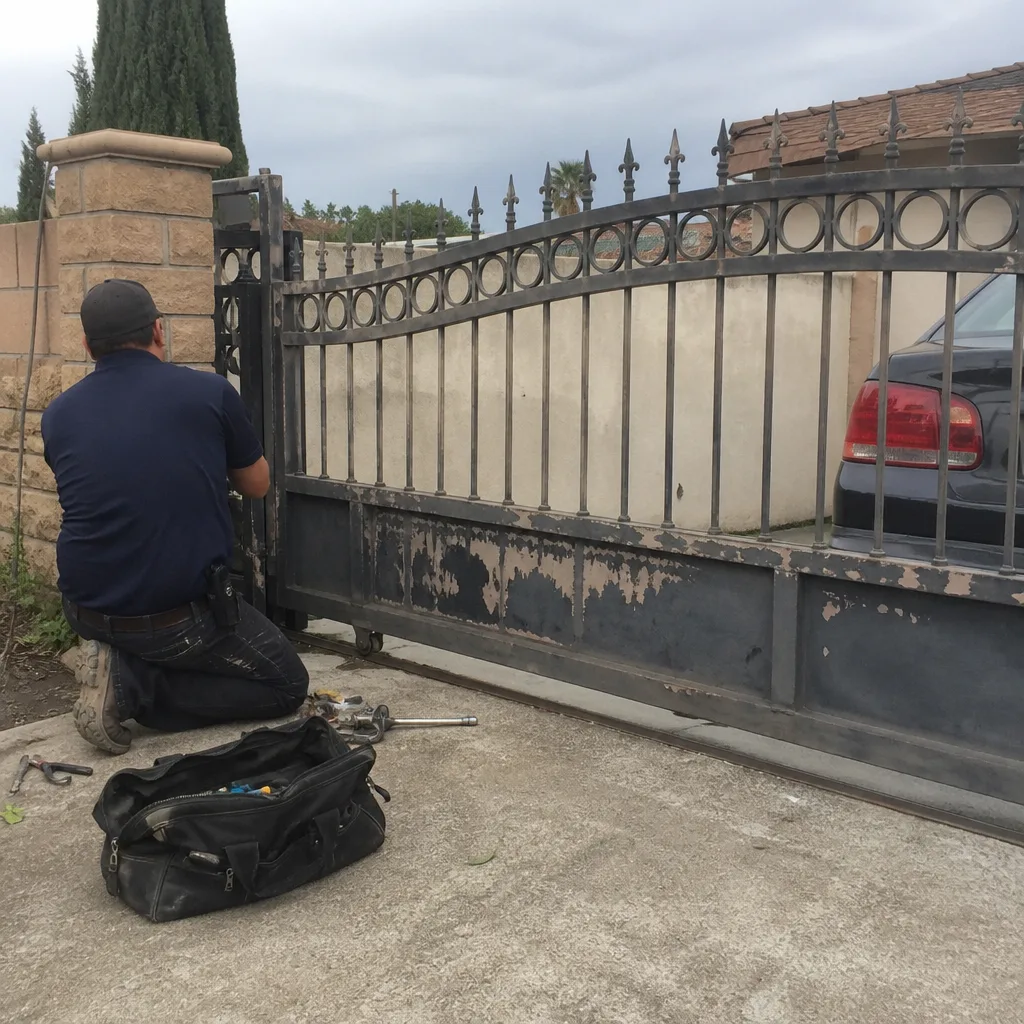 Before
 After
 Before
 After