
Last updated November 2, 2026
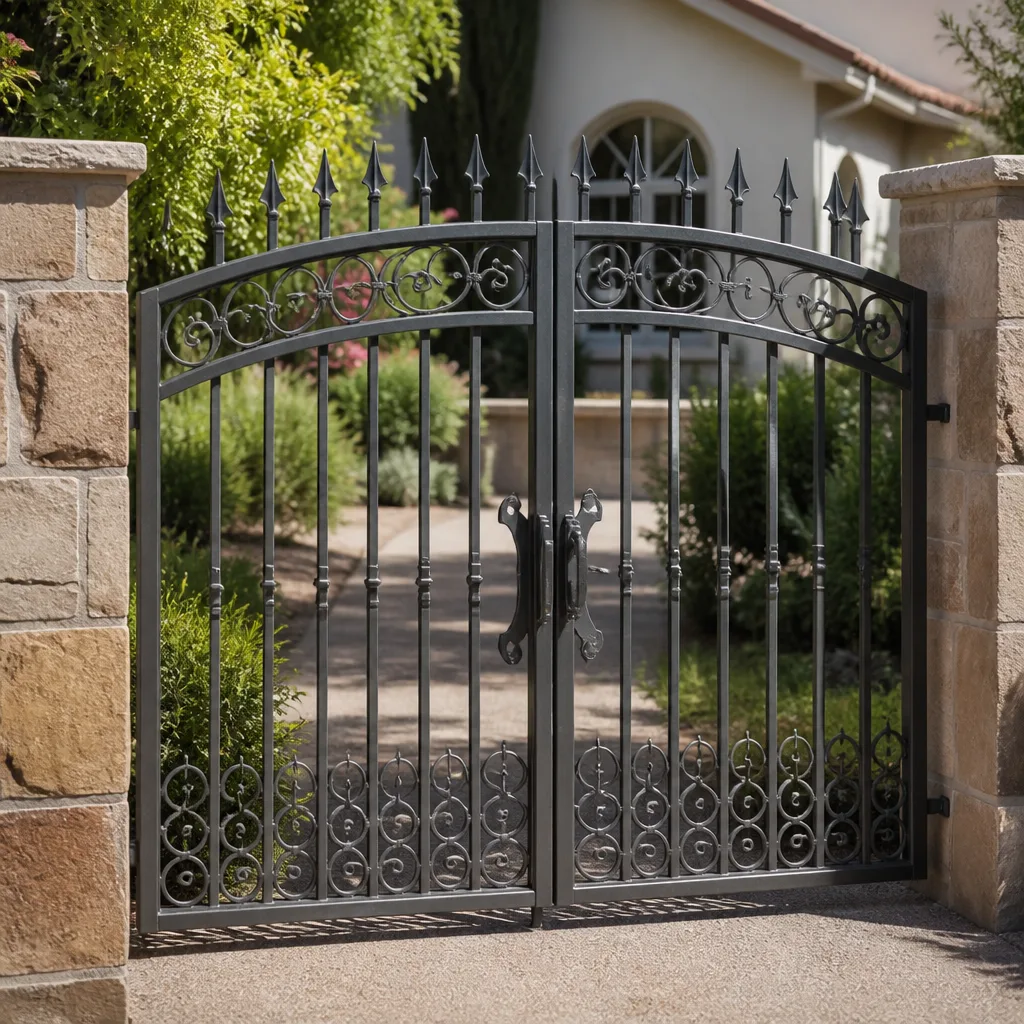 Wrought iron
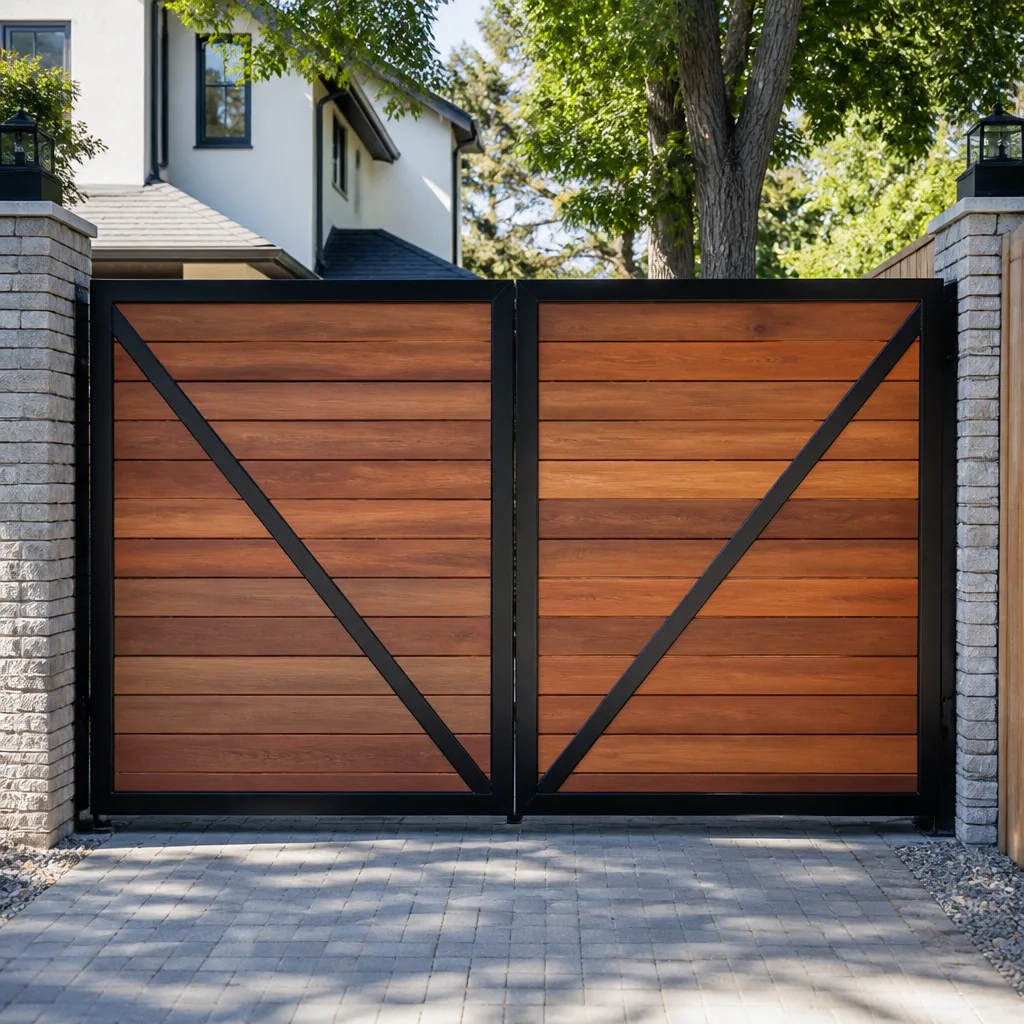 Wood & steel frame
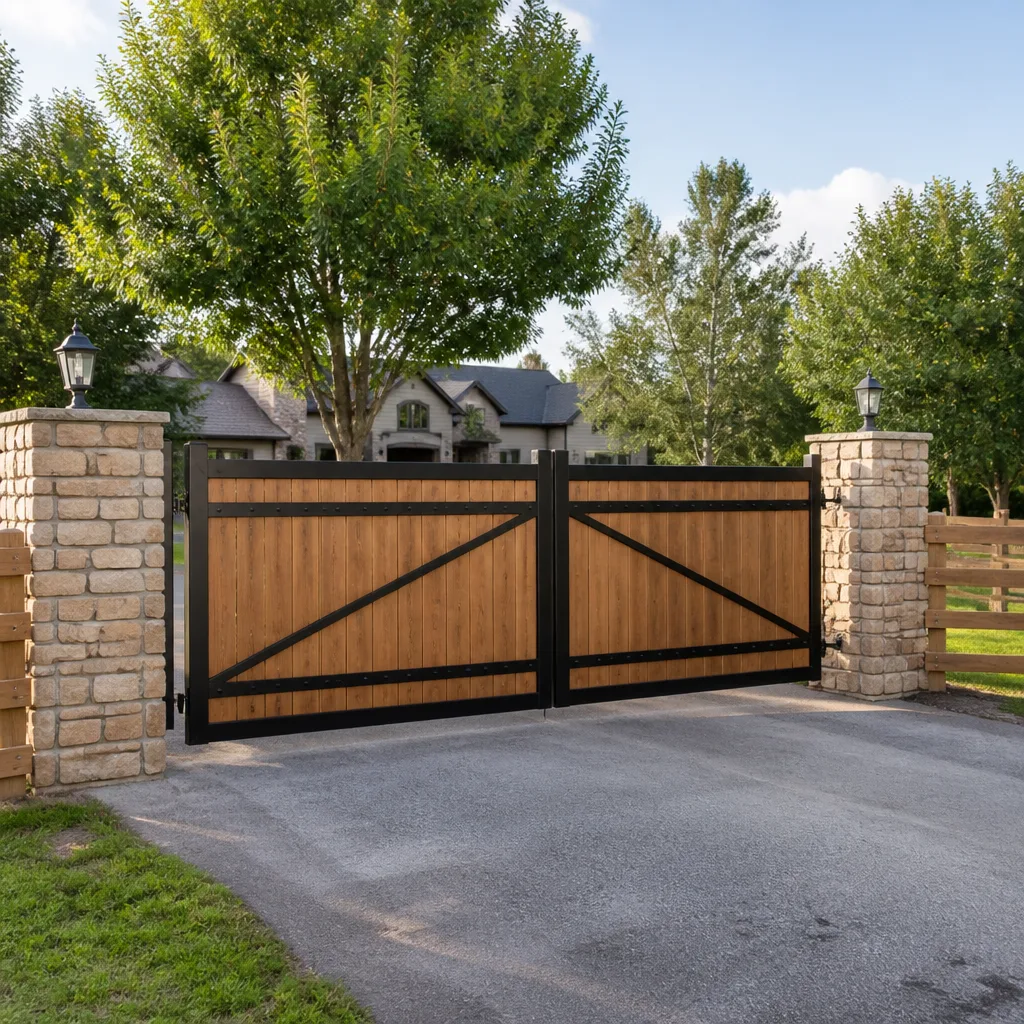 Farm & ranch
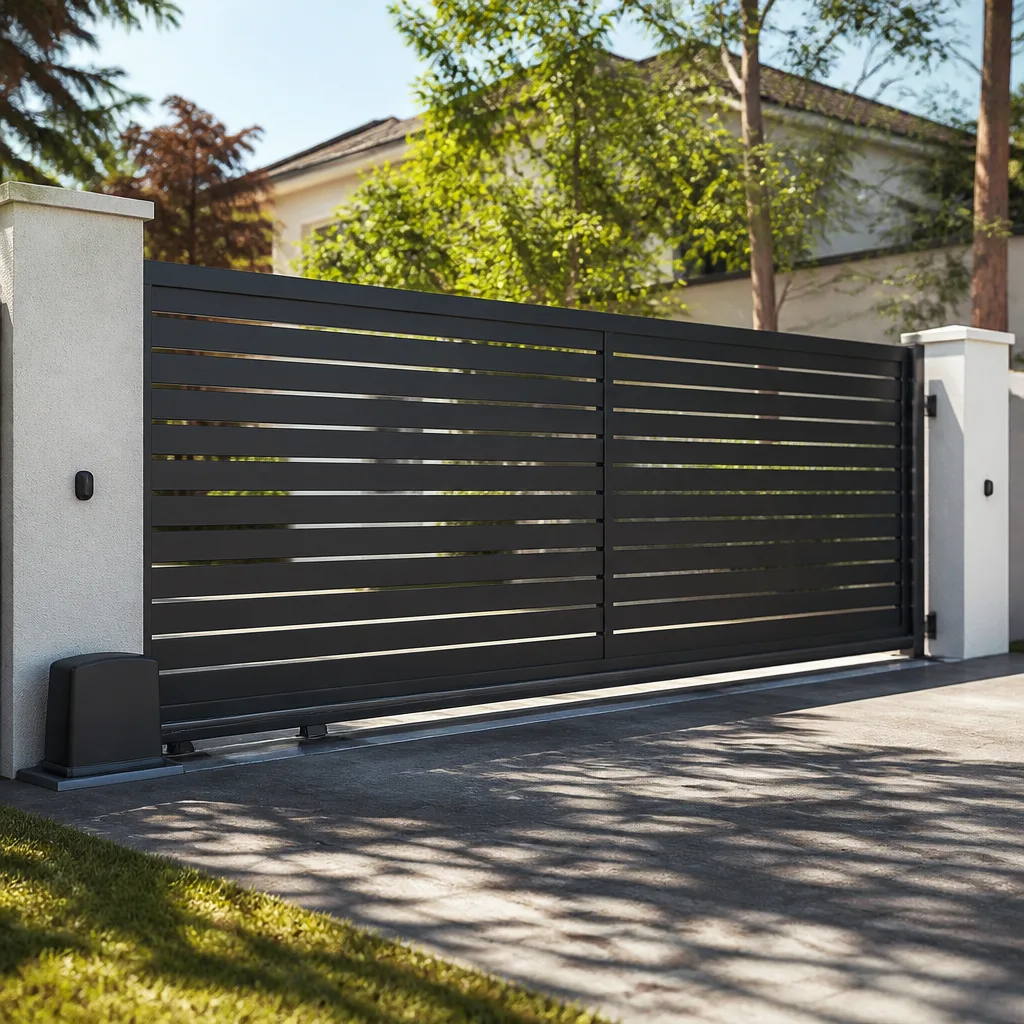 Sliding driveway gates
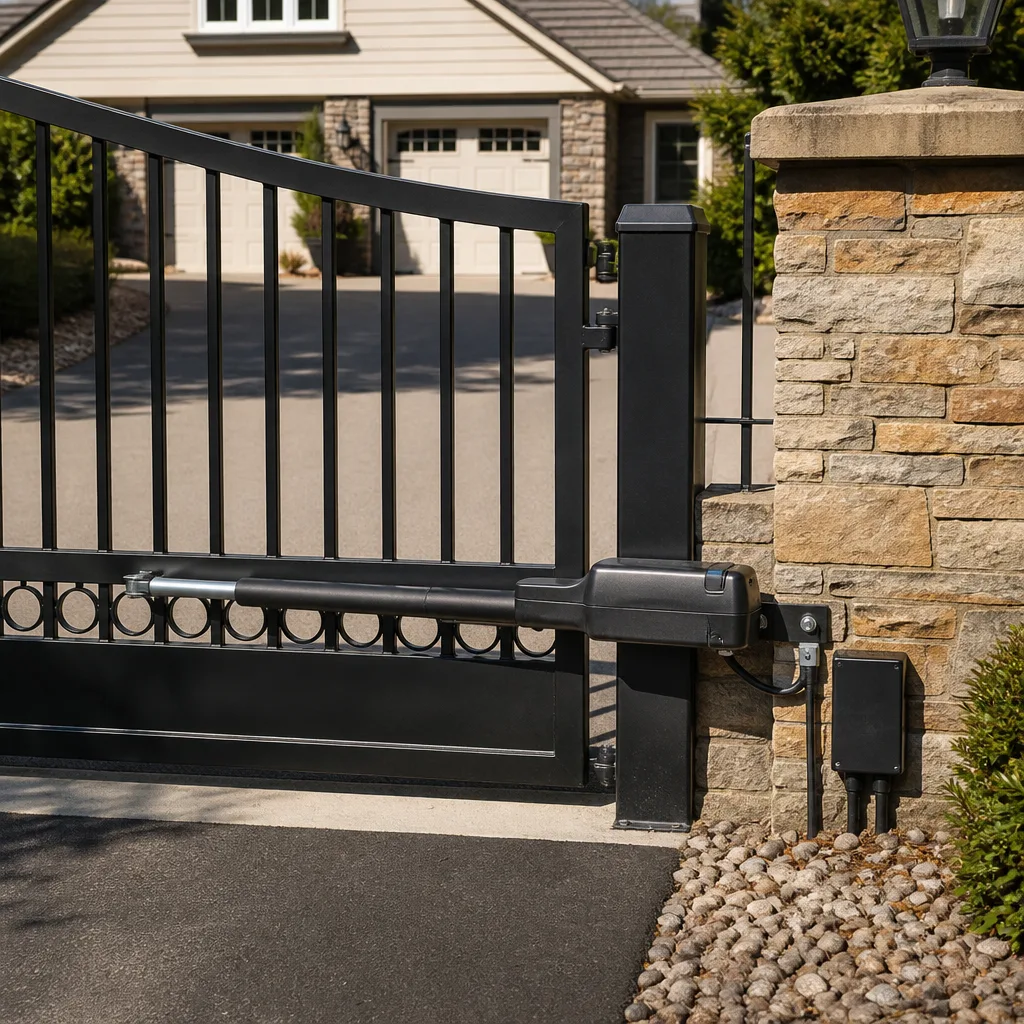 LiftMaster operators
Free on-site gate assessment - hinges, posts, and your LiftMaster or Nice gate operator checked before anything is quoted
The assessment is free and the quote is the invoice.
Get your free estimateGate Repair Emergency Preparedness Guide for Lake View Terrace Homes
Most Lake View Terrace homeowners discover their gate has a manual release mechanism at the exact moment they need it and can’t find it. That’s a bad time to start reading the manual. This guide exists so you can build your emergency playbook before the operator fails, before the power goes out, before a storm sends debris into the track. We’ll walk through the two completely different emergencies a gate can create, the manual release procedures by operator type, what to photograph for a faster diagnosis, and how to talk to emergency services when your gate affects access. Written from the perspective of gate technicians who work on gate repair in Lake View Terrace homes every week, this is the resource we wish every homeowner kept near the opener.
Styles & brands we work with
- Wrought iron
- Wood & steel frame
- Farm & ranch
- Sliding driveway gates
- LiftMaster operators
Quick Answer
Emergency gate preparedness in Lake View Terrace comes down to knowing two things before you need them: where your manual release is and how to operate it by operator type, plus how to secure a gate that’s failed in the open position. During a power outage with a dead battery backup, you need the manual release. During an operator failure with the gate stuck open, you need a temporary mechanical lockout plan that doesn’t damage the gearbox or track. Both procedures should be learned now, not discovered at 2 a.m.
Table of Contents
- The Gate Stuck Closed During a Power Outage
- Manual Release Procedures by Operator Type
- The Gate Frozen Open: A Different Emergency Altogether
- Battery Backup Behavior by Brand and What Drains It Faster
- How to Communicate Gate Status to Emergency Services
- What to Document and Photograph Before Calling a Technician
- Lake View Terrace Specific Risks: Heat, Wind, and Terrain
- Common Mistakes to Avoid
- When to Call a Professional
- Frequently Asked Questions
- The Bottom Line
The Gate Stuck Closed During a Power Outage
Southern California Edison outages hit Lake View Terrace differently than other Los Angeles neighborhoods. We’re on the edge of the San Fernando Valley, up against the Hansen Dam recreation area. High wind events, wildfire-related public safety power shutoffs, and heat-wave grid strain all cause outages here. When the power drops and your gate’s battery backup is dead or depleted, the gate does not default to open. It defaults to whatever position it was in when power cut. If it was closed, it stays closed. And that is the emergency.
A closed gate on a powerless property is more than an inconvenience. If a family member needs an ambulance, the responding crew cannot reach the front door without either breaching the gate or waiting for someone to open it manually. Fire engines will cut a lock or force a gate if they must, and that damage is your responsibility to repair afterward. Knowing your manual release is a life-safety skill, not a maintenance tip.
Step One: Locate the Manual Release Before You Need It
Walk out to your gate operator this weekend. The release mechanism is almost always on the operator housing itself or on the arm connected to the gate. Look for a small keyhole, a pull handle, a release lever, or a crank disengagement point. If you don’t find it in five minutes, check the operator’s side plate for a model number and brand. Then look up the manual online before the next outage. The brand matters: a FAAC hydraulic operator releases differently than a Linear chain drive or a BFT worm gear. We cover the three main categories below.
Step Two: Understand What Manual Release Actually Does
Manual release disconnects the gate from the motor and gearbox. Once disengaged, the gate is free to swing or slide by hand. It does not reset itself. When power returns, the operator will not automatically recouple. Some operators will run a reset cycle and recouple on the next command. Others require you to physically re-engage the release lever. If you leave a gate in manual release mode permanently, it will swing freely in the wind and can damage the track, the hinges, or parked vehicles.
Manual Release Procedures by Operator Type
Gate operators divide into three broad mechanical families. Your release procedure depends on which family you have. We work on all three across Lake View Terrace, from hillside properties off Foothill Boulevard to flat lots near Glenoaks.
Chain Drive Operators
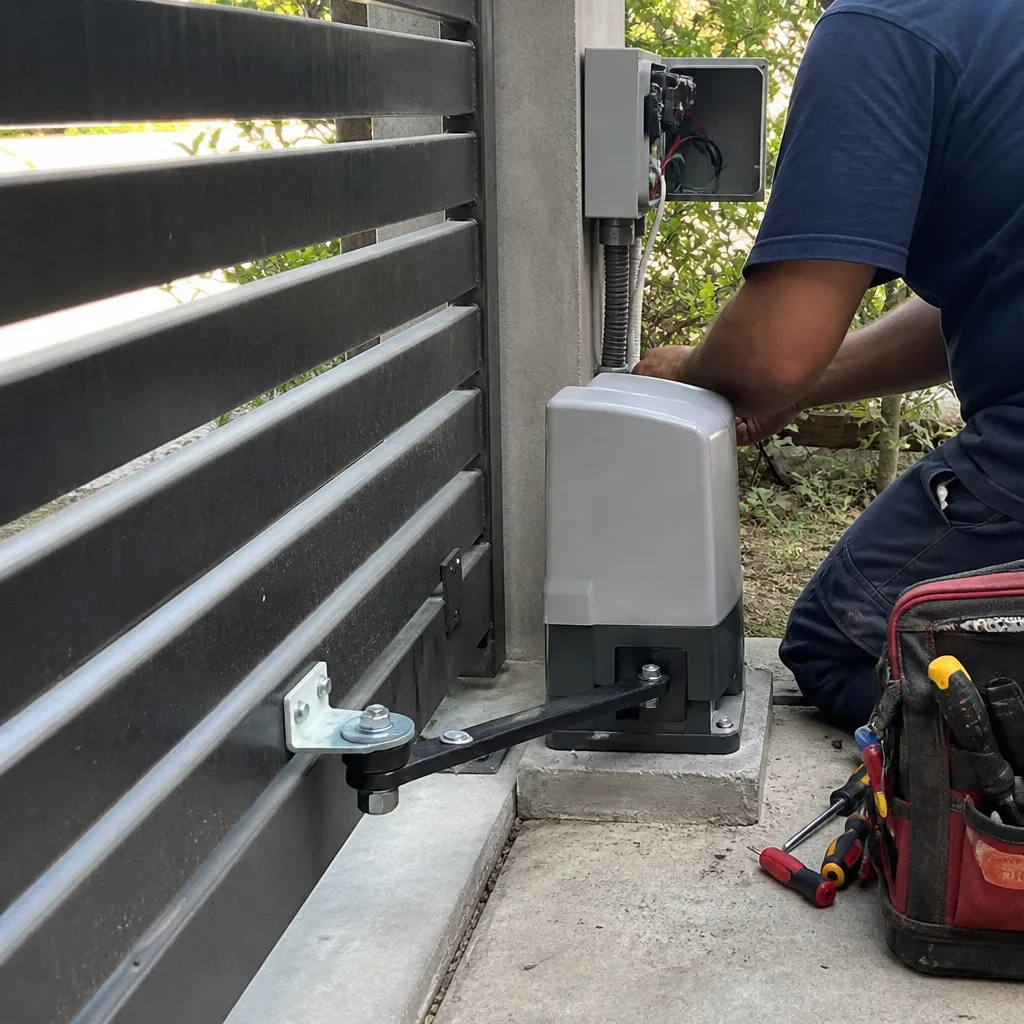
The most common residential slide gate operator. Inside or on the side of the housing you’ll find a T-handle or pull chain mechanism. Pulling it disengages a sprocket clutch from the drive chain. Once disengaged, you can slide the gate by hand along its track. Common on Linear operators and older residential slide installs.
- Locate the release handle on the operator chassis.
- Pull firmly. You may hear a click as the clutch plate separates from the sprocket.
- Slide the gate slowly along its track. If the gate resists, check the track for debris first; a storm can wash sand and pebbles from the hillside into the rail.
- Secure the gate in the desired position with a c-clamp or a chain and padlock around the gate frame before letting go.
- Do not re-engage the release until power is restored and the operator has power.
Worm Gear Operators
Common on swing gates. A worm gear setup is inherently self-locking; that means when the motor stops, the gate holds its position. The manual release on a worm gear operator is usually a keyed cylinder or a lever that rotates the worm out of engagement with the gear. BFT swing operators in Lake View Terrace are frequently worm gear types.
- Insert the release key (usually stored on top of the operator or on a chain inside the housing) into the release cylinder.
- Turn the key a quarter turn. Some models require a full turn. You will feel the worm disengage.
- Swing the gate manually. It should move smoothly; if it doesn’t, the hinge bearings may need lubrication or replacement, which is a separate issue from the power outage.
- When power returns, reverse the key turn to re-engage before running the motor.
Hydraulic Operators
The least common in residential but present on some heavier swing gates and commercial-style installs. FAAC is the brand we see most often in this category. Hydraulic operators use fluid pressure to move the gate. The manual release is typically a small valve on the pump body.
- Find the bypass valve; it looks like a screw or small knob on the hydraulic cylinder or pump.
- Turn the valve counterclockwise slowly. This opens the hydraulic circuit and releases pressure.
- Move the gate by hand. Be careful: a heavy hydraulic gate has significant mass and will continue moving if you release it on a slope.
- Close the valve when done. If left open, the gate will drift and the pump will not build pressure on the next cycle, which can burn out the pump motor.
Important: All three of these procedures are for emergency access and securing the gate temporarily. They are not a substitution for our Gate Repair services. If the operator failed mechanically rather than from a power loss, re-engaging a damaged gearbox can cause further damage. Call a gate technician for a diagnosis before running repeated cycles.
The Gate Frozen Open: A Different Emergency Altogether
Here’s the scenario most preparedness checklists miss. Your gate fails while open. Maybe a gear stripped while the gate was closing. Maybe a control board fault sent a stop command halfway through the cycle. Maybe a car backed into the gate and knocked the chain off the sprocket. The result is the same: your driveway gate is now a permanently open orifice. That’s not an inconvenience. That’s a security breach.
In Lake View Terrace, a gate stuck open overnight is an invitation. The neighborhood is quiet, the lots are large, and many properties back up to open space. A propped-open gate signals that nobody is minding the property. Your emergency plan needs to address immediate temporary securing as much as it addresses eventual repair.
How to Secure an Open Swing Gate Without Damaging the Operator
Do not, under any circumstances, weld the gate to the post, drive screws through the hinge, or force the operator arm to hold the gate manually. Those fixes turn a $300 gearbox repair into a $2,500 operator replacement.
- Disengage the manual release using the procedure for your operator type above. You need the gate free from the motor before you secure it.
- Swing the gate to the closed position manually.
- Secure it with a high-quality chain and padlock around the gate frame and the latch post. If the gate is ornamental iron, run the chain through the pickets near the latch edge, not around a hinge.
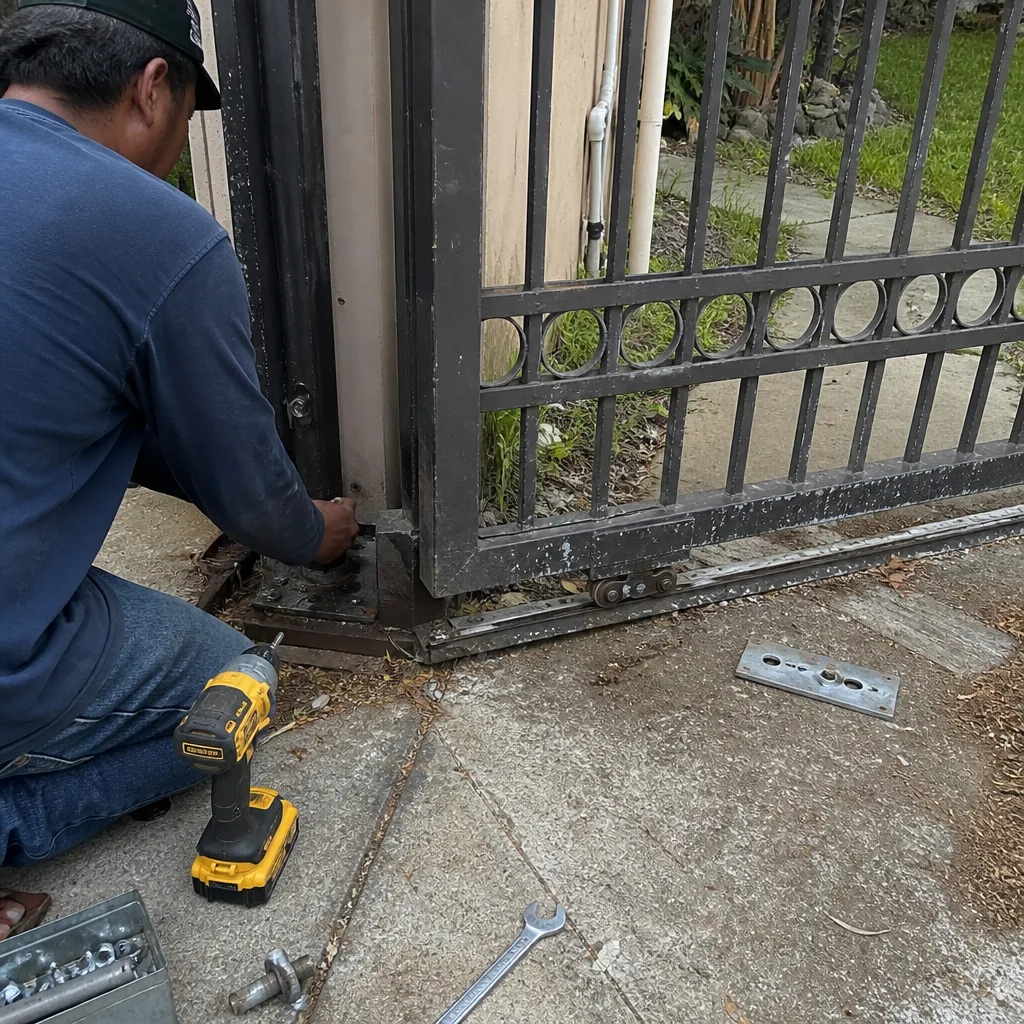
- If the gate is a slide gate, use a c-clamp on the track behind the gate’s trailing roller to prevent it from sliding back open. A large vise-grip style clamp with rubber pads works and doesn’t mar the rail.
- Add a second point of contact: on a double swing gate, secure both leaves independently. One chained leaf and one free leaf is still an open gate.
If the gate cannot be moved to the closed position due to structural damage, communicate with anyone else on the property and treat the opening as unsecured. Move vehicles with valuables inside the garage, lock the main entry door, and call for a Gate Repair in Lake View Terrace technician as soon as possible.
Battery Backup Behavior by Brand and What Drains It Faster
Most modern gate operators with battery backup will run 10 to 30 cycles on battery power after a grid outage. But that spec is a laboratory number. In Lake View Terrace summers, the actual runtime is lower. Heat degrades lead-acid battery capacity. If your operator is in direct afternoon sun on a hillside facing west, the internal temperature of that battery box can exceed 120 degrees. We’ve measured batteries in Lake View Terrace that tested fine in January and failed completely by August.
What Drains a Gate Battery Faster Than Spec
- High temperature: Heat accelerates chemical degradation. A battery stored at 110°F loses roughly half its useful life compared to one stored at 77°F.
- High-cycle use: If your gate cycles 20 times a day because multiple cars come and go, the battery sees more discharge depth per day and recovers less between outages. A Viking or Linear operator on a busy family property drains faster than the same unit on a single-driver driveway.
- Accessory loads: Keypads, photo-eye sensors, vehicle loop detectors, and intercom systems all draw standby current. Those loads don’t stop during an outage; the battery carries them. More accessories means less backup time.
- Age: Gate batteries typically last three to five years. If you’ve never replaced yours and the operator is older than five years, assume the backup is dead. Test it now with a manual power cut at the breaker.
What to Do During an Outage to Preserve Backup Power
If the grid is down and your gate still has battery power, treat every cycle as precious. Don’t test the gate repeatedly. Don’t let kids ride the gate. Combine trips into one exit and one entry if possible. Open the gate and then switch the operator to manual release if you need the gate to stay open, rather than draining the battery on multiple cycles.
How to Communicate Gate Status to Emergency Services
When you call 911 for a medical or fire emergency at a property with a gate, the dispatcher needs specific information to brief the responding crew. “The gate is closed and we can’t open it” is not enough. What the crew needs is how to bypass it quickly without damaging anything unnecessarily.
What to Tell the Dispatcher
- Gate position: Is the gate currently open, closed, or partially open?
- Manual release status: Have you already disengaged the operator and pushed the gate open? If someone on the property is physically able to open it, say so. The crew can guide them over the phone if needed.
- Gate type: Swing or slide. A slide gate blocked by debris may need to be cleared; a swing gate may have a chain or lock that needs cutting.
- Lock or chain status: If the gate is chained and padlocked, the crew knows they’ll need bolt cutters or a saw. Ambiguity wastes minutes.
- Secondary access: Is there a pedestrian gate, side easement, or rear access? Many Lake View Terrace properties have a secondary farm gate or a walk-through pedestrian gate that emergency crews can use instead of the vehicle gate.
We’ve seen fire crews pass a locked vehicle gate by cutting a chain in 20 seconds when they know it’s there. We’ve also seen crews hesitate at a property because nobody answered the intercom and they didn’t know whether the gate was under power. Clear communication prevents damage and delay.
What to Document and Photograph Before Calling a Technician
The single biggest time-waster on an emergency gate service call is a technician arriving without enough information. If we know what we’re walking into, we bring the right parts on the first trip. If we don’t, we diagnose, then order parts, then come back. That’s three visits. You pay for the driving time and the delay.
Here’s what to photograph or video immediately after an emergency failure, before you touch anything:
Documentation Checklist
- The operator housing from three feet away: Make, model, and any visible damage to the cover or chassis.
- The model plate close-up: Every operator has a data plate with the brand, model, serial number, and voltage. That’s gold for our parts ordering.
- The gate in its stuck position: Open, closed, or mid-travel. Include the wheels and track in the frame.
- The chain or belt area: If a chain is off a sprocket, photograph the chain and the sprocket together so we can see alignment and wear.
- The control board: If you can open the housing safely without touching wires, a photo of the board’s LED indicators helps diagnose before we arrive. Don’t touch anything inside the housing if you’re not sure.
- The area around the gate: Recent rain, debris, or vehicle impact damage to the posts or track all inform the diagnosis. In Lake View Terrace, storm debris from the foothills is a common cause of track obstruction.
- Any error codes or flashing lights on the keypad or external receiver: Video is better than photos here because the flash pattern matters.
Send these to the gate technician before the visit. A good technician will use them to pre-load the van with likely parts, which cuts your bill and gets the gate functional faster.
Lake View Terrace Specific Risks: Heat, Wind, and Terrain
Lake View Terrace has a specific climate profile that affects gate operators in ways a generic repair guide won’t cover. We live and work here. We see the patterns.
Heat Load on Electronics
The operator housing on a west-facing driveway in Lake View Terrace can sit in full afternoon sun for six hours a day from May through October. Control boards do not like sustained heat. Electrolytic capacitors age faster. Solder joints crack. The plastic cover warps and lets dust in. If your operator is in unshaded sun, consider installing a small shade structure or at minimum ensuring the housing vents are clear and not painted shut. An electric gate repair in Lake View Terrace technician can check internal temperatures with a thermal probe during a routine service and recommend whether heat mitigation is needed.
Wind-Blown Debris in Tracks
Santa Ana wind events push sand, leaves, and palm fronds into slide gate tracks. A track obstruction causes the operator to draw higher current trying to push through. Good operators have current sensing and will reverse or stop. Older operators may burn the motor or blow a capacitor. After any significant wind event, walk your gate track and clear it. Five minutes now prevents a failure later.
Terrain and Slope Loading
Many Lake View Terrace driveways are sloped. A gate on a slope works harder: the motor must push uphill in one direction every cycle, and the stop position holds against gravity. Slope loading shortens the life of gearboxes and chains. If your gate creaks, moans, or shudders while moving on a slope, the gearbox or limit cams are under strain. Address it before it seizes.
The Hansen Dam Edge Effect
Properties near the Hansen Dam recreation area and the Big Tujunga Wash see more wind than those down near Glenoaks. That wind carries fine grit that gets into everything with an opening, including operator housings and keypads. Seal the housing gaskets, keep the keypad cover closed, and blow out the interior with compressed air during seasonal maintenance.
Common Mistakes to Avoid
- Testing the gate repeatedly after a failure: Every cycle on a failing component makes it worse. One stripped gear becomes a destroyed gearbox after twenty test runs. Diagnose first, then run the gate once if you must.
- Forcing the manual release with tools before checking for obstructions: If the gate won’t move after release, don’t pry harder. Check the track, the hinges, and the wheels. Forcing a bound gate can tear the frame welds, especially on older iron gates in Lake View Terrace.
- Leaving a gate in manual release mode after the emergency passes: A manually released gate swings free in the wind. Santa Ana winds will slam it against the stops, bend the frame, and strip the hinges. Re-engage the operator or secure the gate physically before leaving it unattended.
- Ignoring a slow gate before it becomes an emergency gate: If your gate has been moving slower for six months, that’s a failing motor capacitor or a dying battery. The emergency wasn’t sudden; you just didn’t act on the warning. Annual service catches these.
- Assuming the battery backup is fine because the gate worked during the last outage: Battery failure is gradual. A battery that ran the gate for ten cycles in January might manage three in August. Test under load, not just voltage.
- Calling a general handyman for an electric gate failure: Gate operators have brand-specific control logic, safety loop wiring, and force adjustment procedures. A generalist will swap parts and hope. You’ll get the second call to a gate specialist anyway, plus a higher bill for the first visit.
When to Call a Professional
Manual release will get you through an outage. It will not fix a stripped gear, a dead control board, a broken chain, or a failed motor capacitor. Those are technical failures requiring diagnosis and repair. If your gate makes grinding noises, won’t complete a cycle, trips a breaker repeatedly, or shows error codes you don’t recognize, stop running it and call a gate technician. Continued operation on a failed component turns a simple board replacement into a full operator replacement. Gate installation in Lake View Terrace and gate repair calls both start with a diagnosis call – we can tell you over the phone whether the gate needs an urgent visit or can wait until morning. Gate Repair Lake View Terrace offers free estimates in Lake View Terrace – call (833) 696-4511 and describe what you’ve documented, and we’ll tell you exactly what to do next.
Frequently Asked Questions
Locate the manual release on your operator – a T-handle or pull chain on a chain drive, a keyed cylinder on a worm gear, or a bypass valve on a hydraulic unit – and disengage the motor from the gate. Then push or slide the gate by hand. If you don’t know where the release is, photograph the operator’s brand and model plate and we can walk you through it over the phone at (833) 696-4511.
Disengage the manual release, move the gate to the closed position by hand, and secure it with a chain and padlock or a track clamp. Then take photos of the operator, the control board LED status, and the track area before calling a technician. The documentation speeds diagnosis and reduces the number of visits required.
Most gate operator battery backups last 10 to 30 cycles on a full charge. High heat in Lake View Terrace reduces that runtime by half or more, especially on west-facing installations in direct afternoon sun. If your battery is more than three years old, assume reduced capacity and test it before the next outage.
Fire and medical crews will cut a lock, chain, or even the gate itself if it blocks access to a life-threatening situation. Any damage from forced entry is the property owner’s responsibility. Providing clear access information to the dispatcher – gate position, manual release status, secondary pedestrian access – reduces the chance of property damage.
Many operators, including models from Linear, FAAC, BFT, and Viking, support add-on or integrated battery backup. Whether your specific unit can accept one depends on the control board version and available housing space. A gate technician can confirm compatibility and install the backup during a routine service visit.
Send a close-up of the operator data plate showing brand, model, and serial number, plus photos of the gate in its stuck position, the track or chain area, and any error code LED patterns visible on the board. That lets the technician pre-load likely parts and fix the gate on the first visit. Call (833) 696-4511 with the photos ready and we’ll guide you from there.
The Bottom Line
A gate failure in Lake View Terrace is either a closed-access problem or an open-security problem. Both have different immediate protocols, and both reward preparation. Learn your manual release procedure by operator type now. Photograph your data plate and store it on your phone. Know how to secure a gate stuck open without damaging the operator. Understand that battery backup performance in our heat is not the same as the brochure spec. When the emergency happens, you’ll have a playbook instead of a panic. And when the time comes to repair or replace the failed component, you’ll have a gate specialist who already knows your brand.
Written by the team at Gate Repair Lake View Terrace, serving Lake View Terrace since 2012. Explore more guides & resources on our blog.
See the difference
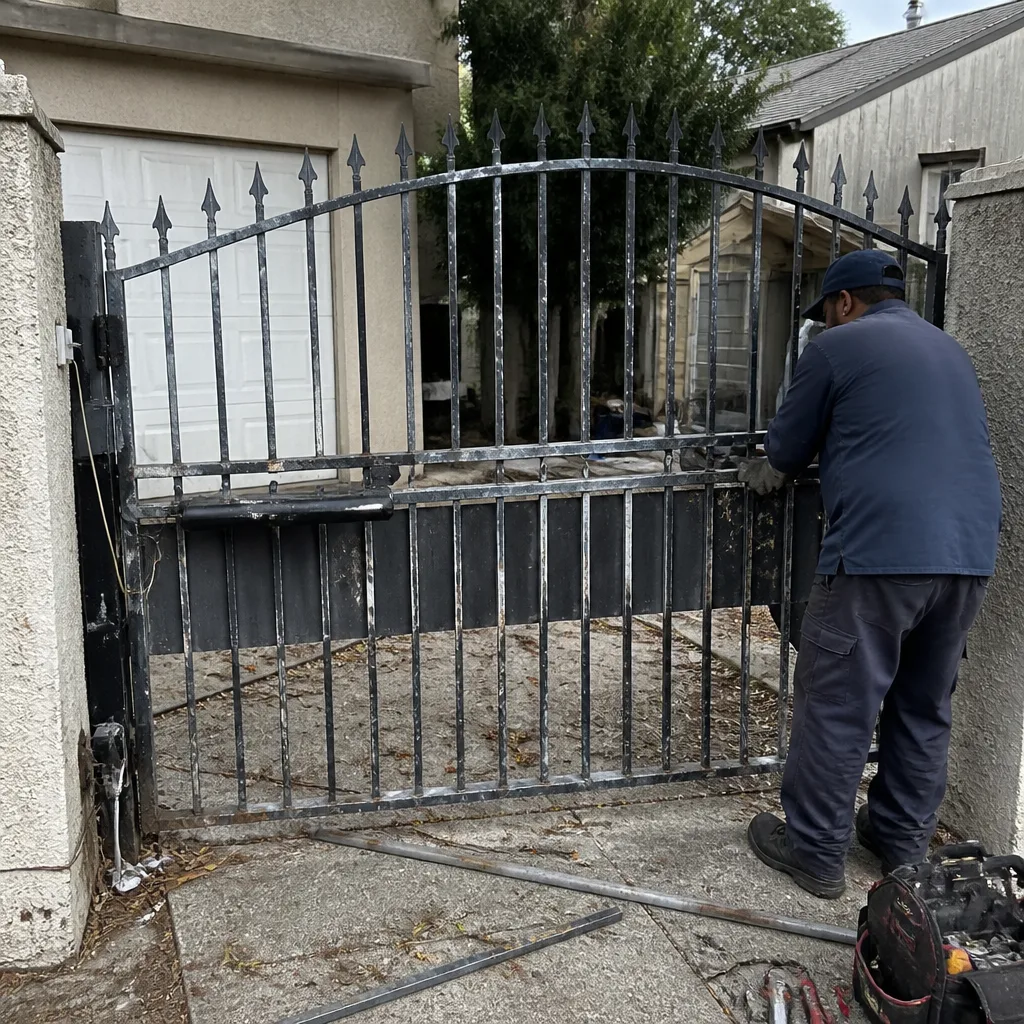 Before
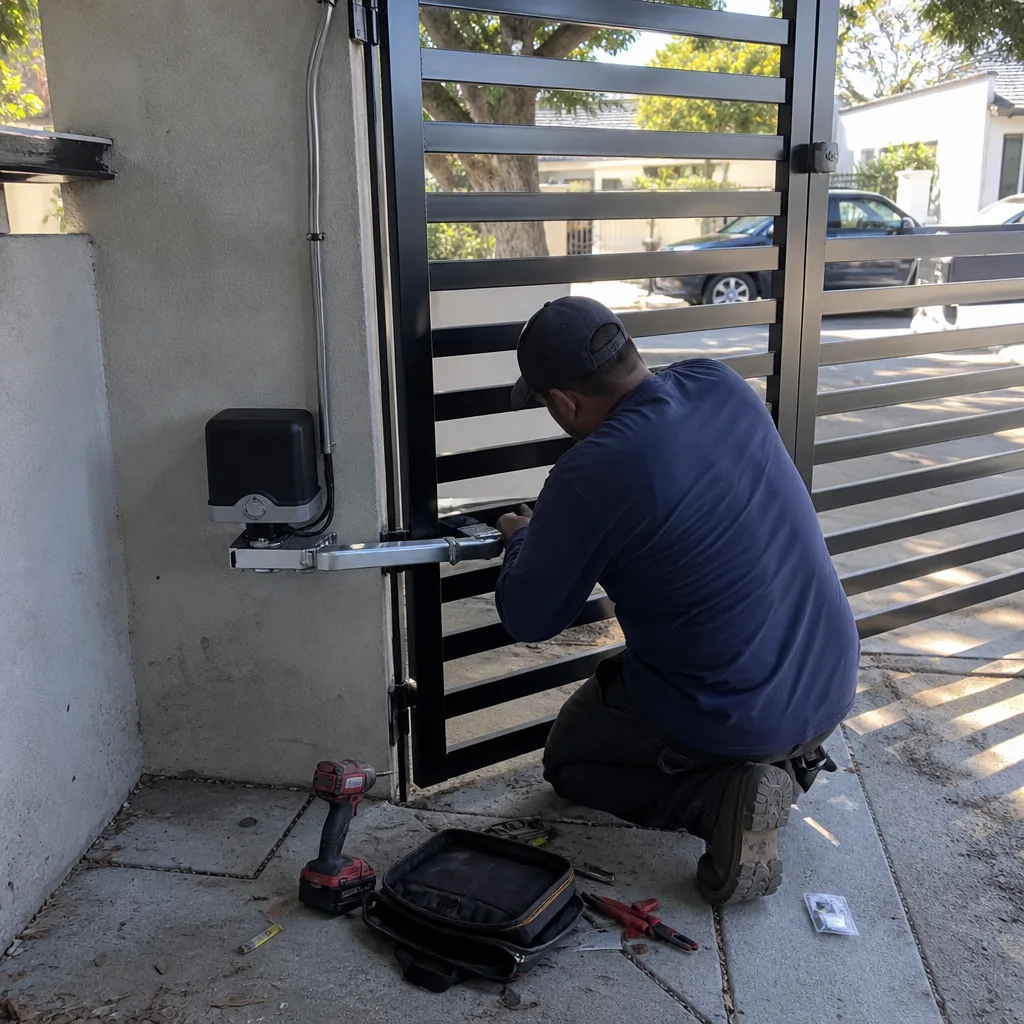 After
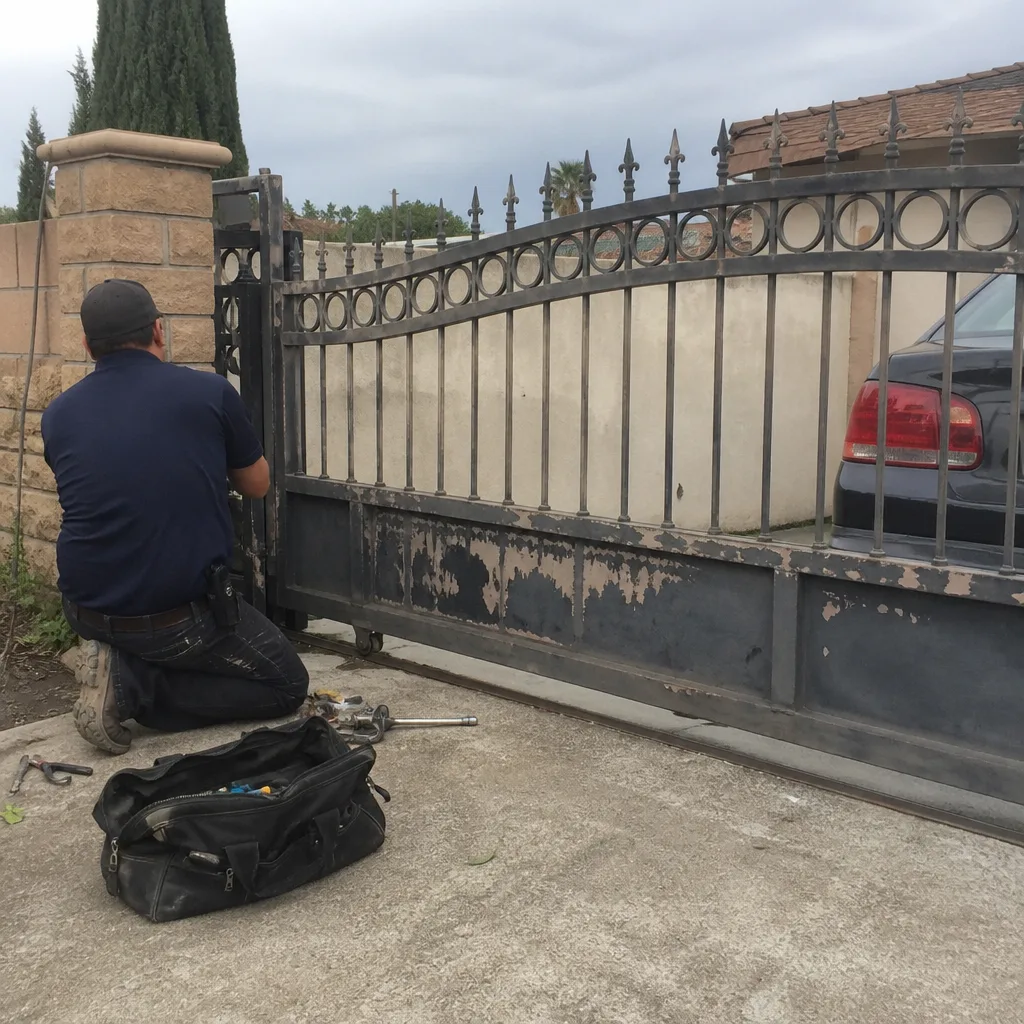 Before
 After
 Before
 After