
Last updated November 2, 2026
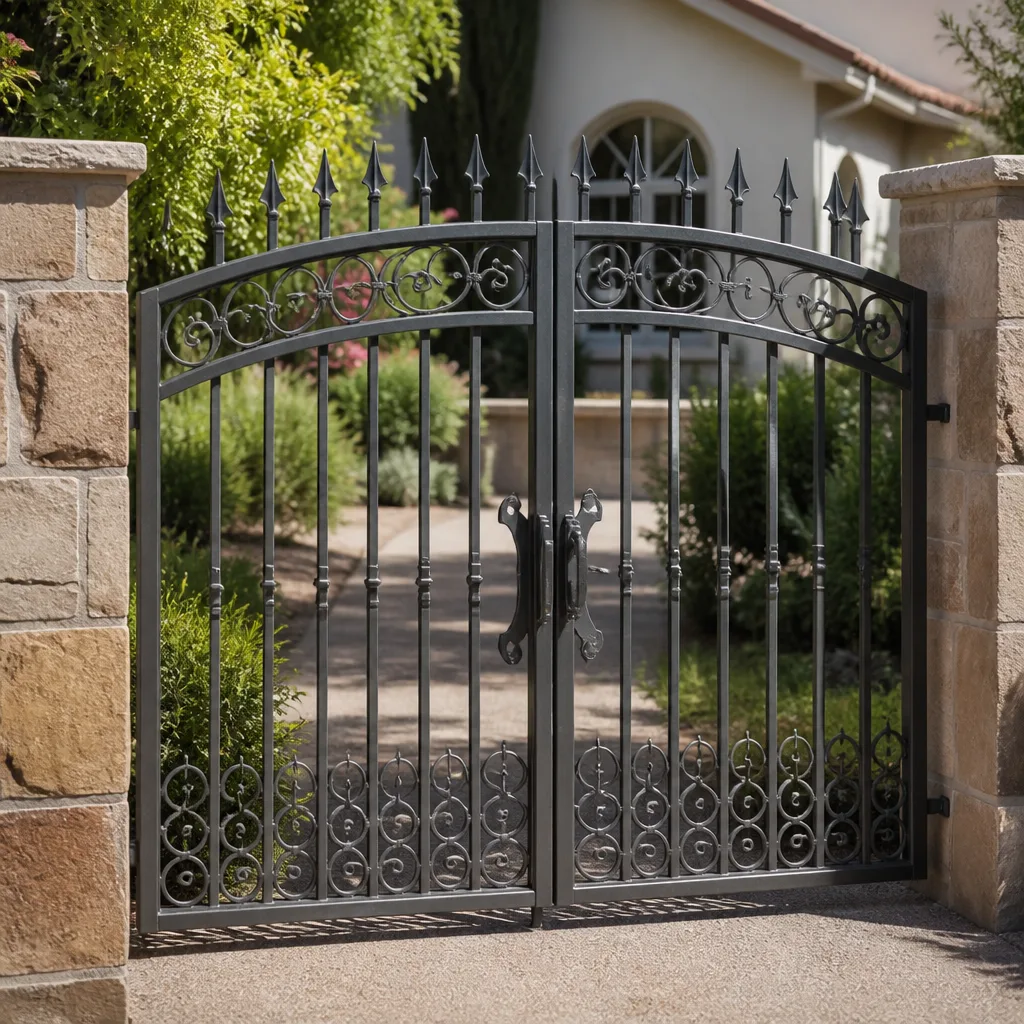 Wrought iron
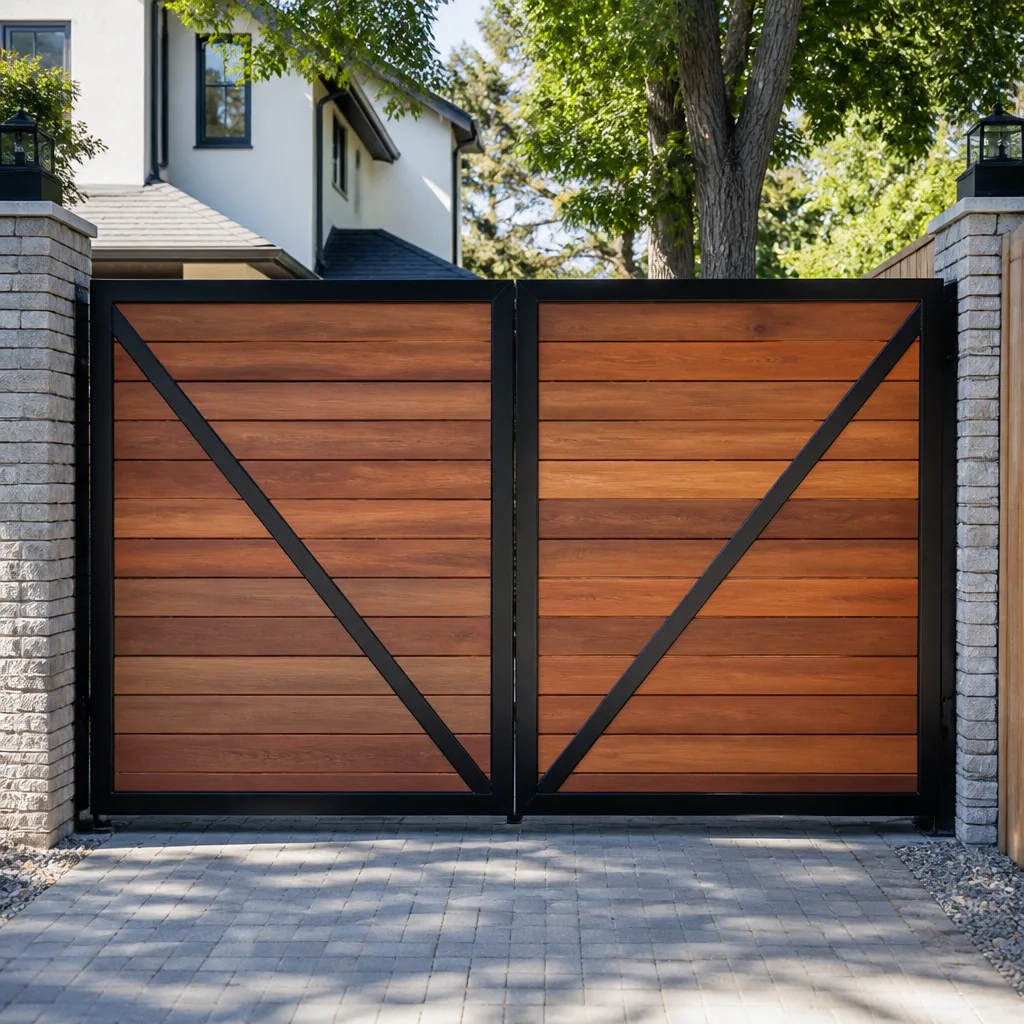 Wood & steel frame
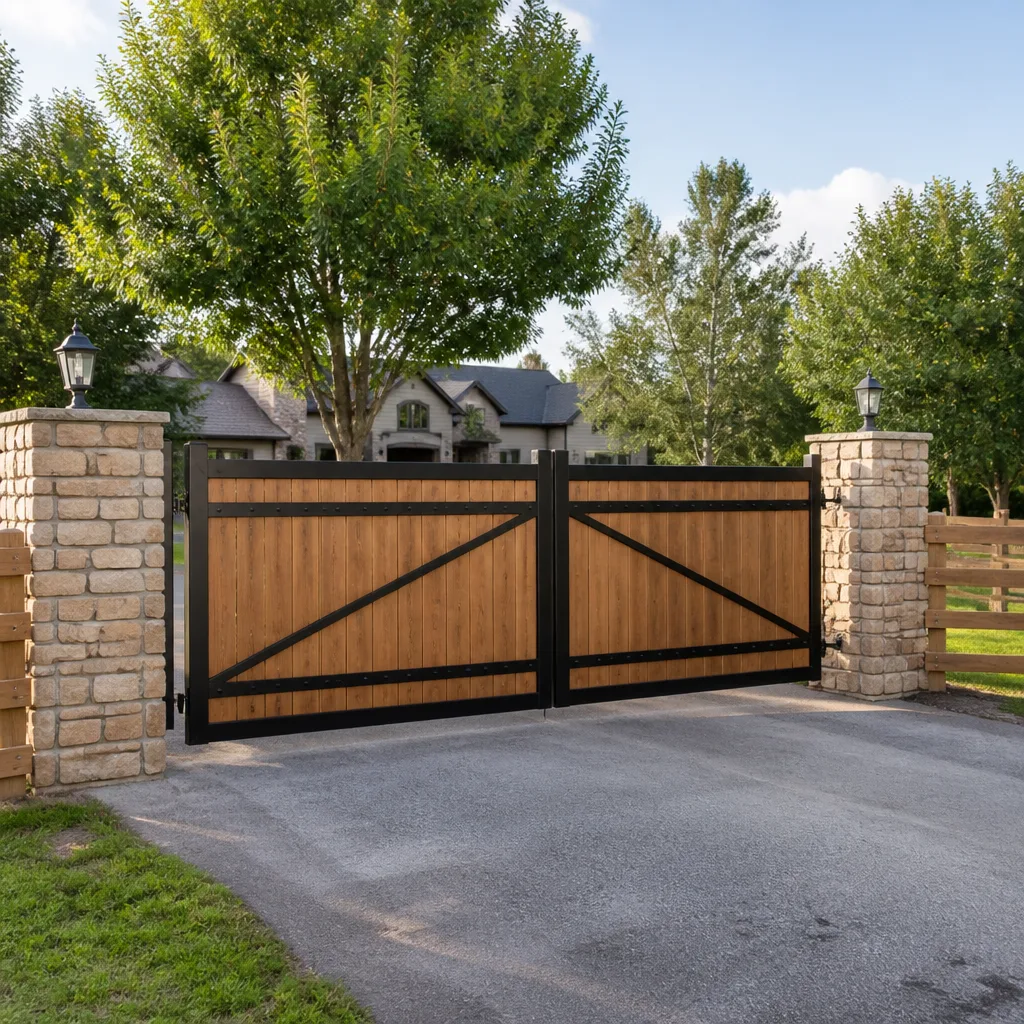 Farm & ranch
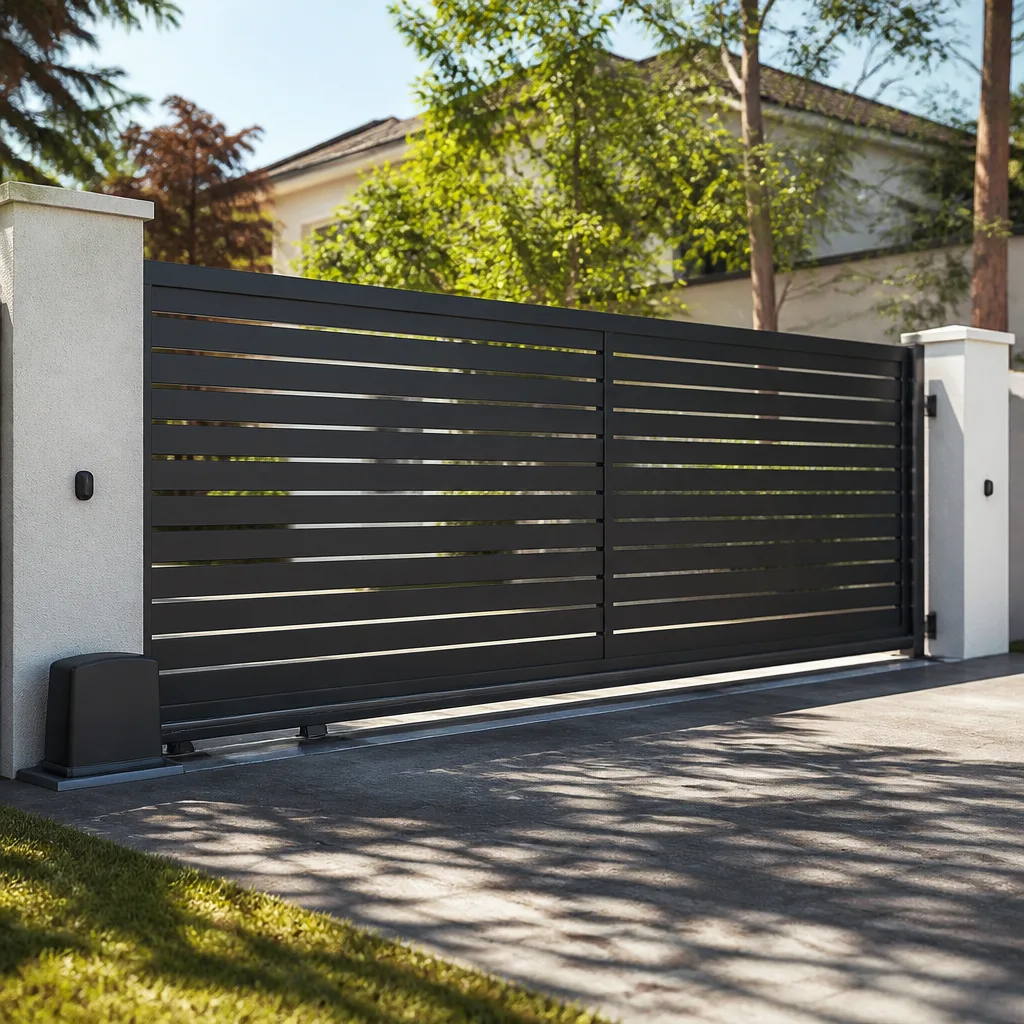 Sliding driveway gates
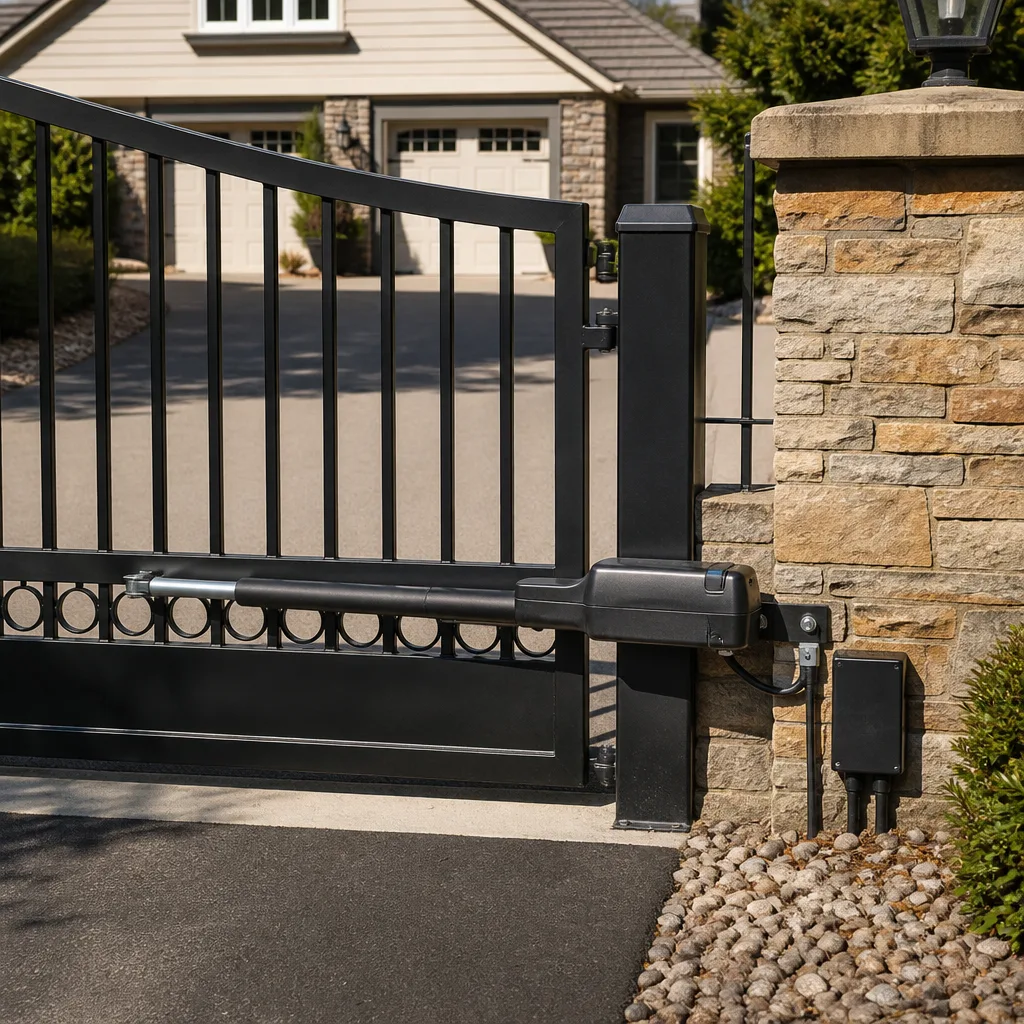 LiftMaster operators
Free on-site gate assessment - hinges, posts, and your LiftMaster or Nice gate operator checked before anything is quoted
The assessment is free and the quote is the invoice.
Get your free estimateGate Repair Permits, Codes & Inspections in CA: What You Need to Know
Unpermitted gate automation on a property sold in California can trigger a buyer’s demand to remove and reinstall the entire system. That’s a four-figure problem, and it shows up in real estate disclosures far more often than most homeowners expect. In Lake View Terrace, where automatic driveway gates are common on both hillside and equestrian properties, the question isn’t whether gate work is regulated. It’s whether the specific work you’re planning crosses the line that legally requires a permit. This guide draws on years of field experience providing our Gate Repair services and installing gates across Los Angeles County to explain exactly where that line sits, what inspectors look for, and how to avoid creating liability you don’t discover until closing day.
Styles & brands we work with
- Wrought iron
- Wood & steel frame
- Farm & ranch
- Sliding driveway gates
- LiftMaster operators
Quick Answer
Most gate repairs in California – replacing a motor, swapping a control board, adjusting a limit switch – do not require a building permit. Most gate installations, especially anything involving new footings, new electrical runs, or a new operator mounted to a post or column, do require one under the California Building Code. Enforcement varies by jurisdiction, but the legal obligation doesn’t. If you’re unsure, call your local building department before starting work, and make sure any automated gate operator you install is UL 325 compliant.
Table of Contents
- Repair vs. Installation: Where California Draws the Line
- UL 325 Compliance: What It Actually Mandates
- The HOA Overlay: When CC&Rs Add Rules on Top of Municipal Code
- What an Inspection Actually Looks For on a Gate System
- How to Retroactively Permit an Existing Unpermitted Gate
- The Safety Code Layer: Photo Eyes, Edges, and Force Settings
- Common Mistakes to Avoid
- When to Call a Professional
- Frequently Asked Questions
- The Bottom Line
Repair vs. Installation: Where California Draws the Line
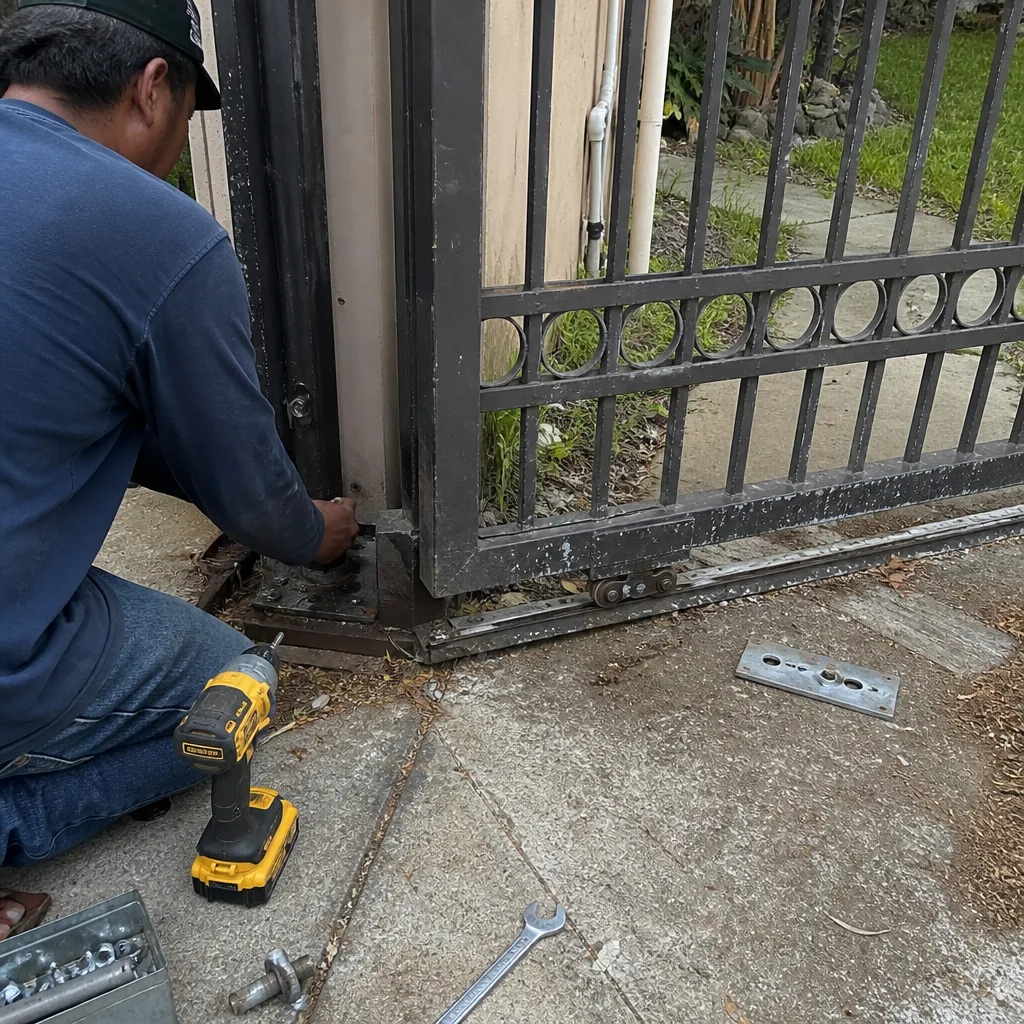
Under the California Building Code, a repair is work that restores an existing component to its original functioning condition without changing its configuration, capacity, or footprint. Replacing a burned-out circuit board with an equivalent board is a repair. Swapping a failed Viking motor for a like-for-like replacement is a repair. Adjusting the travel limits on a BFT or Linear operator so the gate stops at the right point is a repair. None of this requires a permit in most California jurisdictions, including Los Angeles County.
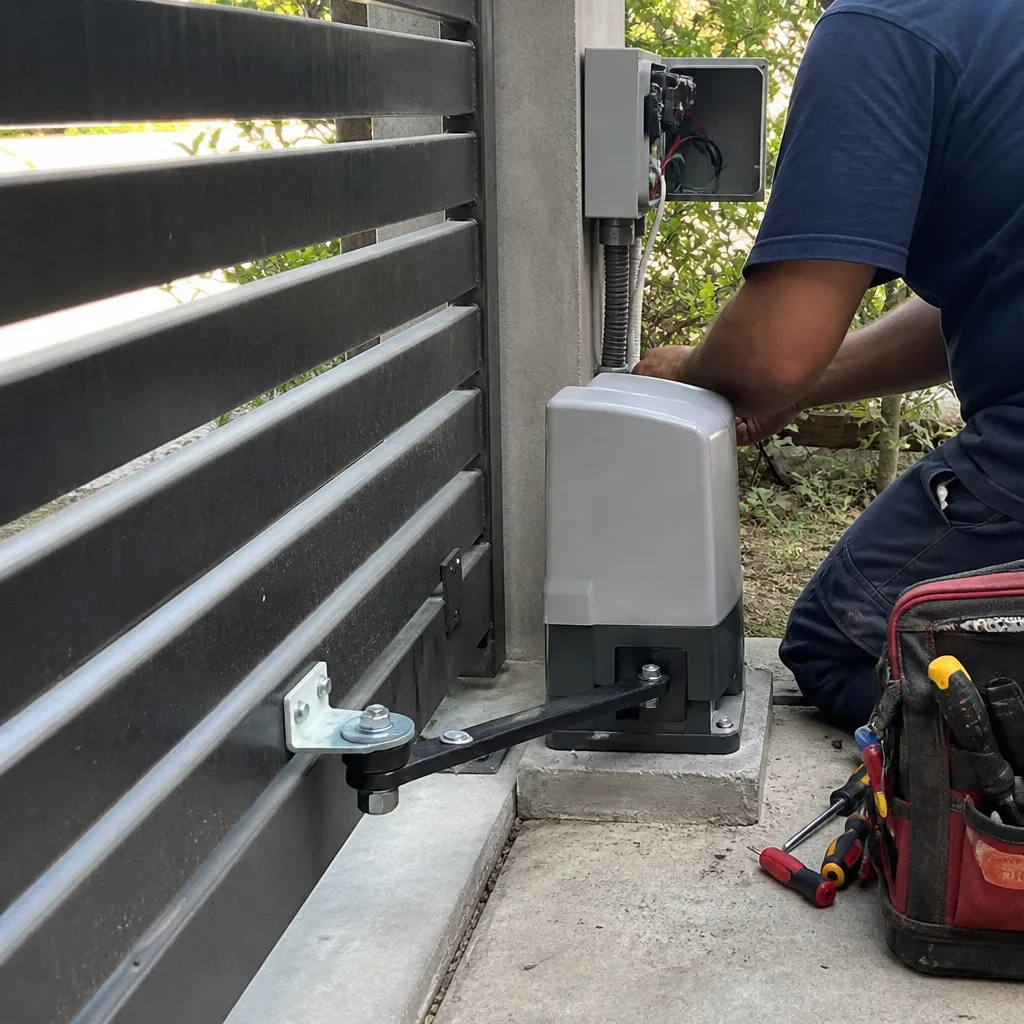
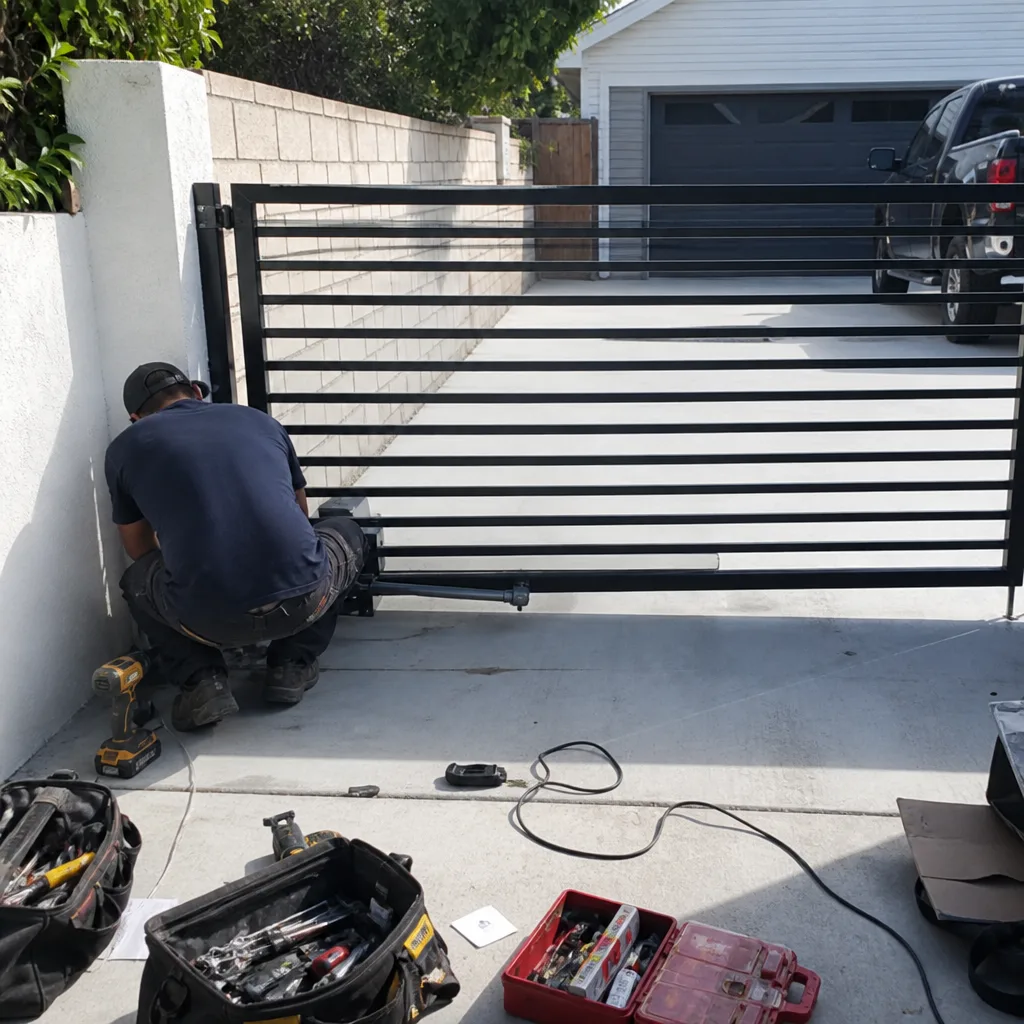
An installation is different. If you’re setting new footings, pouring a new concrete pad for an operator, running a new electrical circuit from the panel to the gate, or mounting a new operator where none existed before, that’s new construction under the code. It requires a building permit, and in many cases an electrical permit as well. Los Angeles County interprets this threshold pragmatically: if the work changes the physical footprint of the gate system or adds a new electrical connection, the county treats it as an installation. If the work stays within the existing equipment envelope, it stays a repair.
The distinction matters because the consequences of getting it wrong flow in one direction. Over-permitting a simple repair costs you a few hundred dollars and some waiting time. Under-permitting an installation can cost you a sale, a fine, or both. In our experience across Lake View Terrace and surrounding foothill communities, roughly half of the unpermitted gate systems we’re asked to evaluate – often after owners read our Gate Repair Warning Signs: A Lake View Terrace Homeowner’s Reference Guide – were installed by a previous owner who either didn’t know or didn’t ask. The current owner inherits the liability.
One asterisk: if your gate is on a property with a recorded easement, a shared driveway, or a flag lot arrangement, additional layers of review can apply even to repairs. The county checks for encroachment issues, and a gate that swings over a public right-of-way or a neighbor’s access path can trigger a separate enforcement process. That’s a situation where calling the building department first is genuinely the cheaper option.
UL 325 Compliance: What It Actually Mandates
UL 325 is the safety standard that governs automated gate operators in the United States. Every operator sold or installed in California – residential or commercial – must meet this standard. It mandates specific safety features: a primary entrapment protection device (photo eyes or contact edges), a secondary entrapment protection mechanism (either inherent in the motor or via an additional sensor), and a maximum force threshold the operator can apply before reversing.
What UL 325 does not require, and what many homeowners misunderstand, is a specific brand. It’s a safety standard, not a manufacturer certification. Operators from LiftMaster, FAAC, BFT, Linear, Viking, Ghost Controls, DoorKing, Elite, and Mighty Mule can all be UL 325 compliant if installed correctly. The compliance lives in the installation, not just the box.
Here’s what a compliant automated gate system needs to have, in practical terms:
- Photo eyes mounted at the gate opening, positioned to detect a person, vehicle, or object in the gate’s path.
- Contact edges or edge sensors on the leading edge of the gate so that physical contact with an obstruction triggers an immediate reversal.
- Force limiting calibrated so the gate reverses if it encounters resistance before the closing cycle completes.
- A manual release mechanism that allows the gate to be opened by hand during a power outage.
- Warning signage posted on both sides of the gate, as specified by the operator manufacturer.
When UL 325 compliance is ignored, the outcome is predictable: the gate closes on a car, a child, a pet, or a delivery driver. In California, the legal exposure goes beyond the injury itself. A non-compliant gate operator creates premises liability for the property owner, and if the installation was unpermitted, insurance coverage can be denied on the grounds of an undisclosed material hazard. We’ve seen this play out in real estate transactions where a buyer’s inspector flags a missing photo eye and the seller is suddenly negotiating a five-figure credit.
Verify compliance by checking for the physical components listed above and confirming the operator’s model number appears on the UL certification database. For step-by-step diagnostics, see our Gate Repair Troubleshooting: Common Problems and How to Fix Them. If the photo eyes are present but the gate still doesn’t reverse on obstruction, the system may have been installed with the entrapment protection disabled – a common shortcut that defeats the entire point of UL 325.
The HOA Overlay: When CC&Rs Add Rules on Top of Municipal Code
Municipal code sets the floor. CC&Rs – covenants, conditions, and restrictions – can set a higher bar. In Lake View Terrace and communities along Foothill Boulevard, many properties sit within HOAs that regulate gate appearance, height, material, color, and even the direction of swing. A gate that passes county inspection can still violate an HOA’s architectural guidelines, and the HOA’s enforcement path is often faster and more aggressive than the county’s.
The specific pattern we see in our service area: a homeowner replaces a wooden swing gate with a tubular steel gate and a Ghost Controls operator. The county doesn’t care about the material change if the footings are sound and the electrical is permitted. The HOA, however, has an architectural standard that says “wrought iron or wood, no visible motors.” The homeowner receives a violation letter, files a design review request after the fact, and spends months in a process that could have been a two-week pre-approval.
Before committing to any gate work in an HOA-governed community, pull your CC&Rs and check for a gate-specific section. Key questions to answer:
- Is there a design review process that covers gates, or only structures?
- Are there height, material, or style restrictions that would limit your options?
- Does the HOA restrict gate operators by noise level or visibility?
- Is there a grandfathering clause for existing non-conforming gates?
- What’s the fee and turnaround time for an architectural review application?
The cost of HOA non-compliance is usually not a fine but a compelled reversal. An HOA can require you to remove or modify a non-conforming gate at your own expense, with a lien on the property as leverage. In one Lake View Terrace case we’re familiar with, a homeowner installed a black steel gate with exposed operator arms, only to be told the community standard was a wood-composite gate with a concealed operator. The removal and reinstallation cost exceeded the original project budget.
What an Inspection Actually Looks For on a Gate System
A building inspection for a gate installation in Los Angeles County is typically a single visit, 15 to 25 minutes, focused on a specific checklist. The inspector is not evaluating whether your gate is beautiful or convenient. They’re verifying that the installation matches the approved plans and meets minimum safety standards.
Here’s what the inspector checks, in the order they usually check it:
- Footing depth and dimensions – gate posts and operator pads must sit on footings that meet the depth specified in the permit plan (often 24 to 36 inches in LA County, depending on soil type and gate weight).
- Electrical connection – the circuit must be dedicated, GFCI-protected where applicable, and installed by a licensed electrician if the permit covers new electrical work. Any buried conduit must be at the correct depth.
- UL 325 operator labeling – the operator itself must carry a visible UL 325 compliance label. Without it, the inspector cannot verify compliance and will fail the inspection.
- Entrapment protection – photo eyes and edge sensors must be present, mounted at the correct height, and wired into the operator so they actually interrupt the closing cycle. Many inspectors will test this by blocking the beam.
- Gate travel limits – the inspector will run the gate through an open and close cycle to confirm the limits are set so the gate stops fully open and fully closed without slamming.
- Setback and swing – the gate must not swing over a public sidewalk or into a right-of-way. This is a frequent source of surprising failures for front-yard gates in older Lake View Terrace neighborhoods where setbacks are tight.
Preparing for inspection is mostly about not hiding anything. The inspector sees hundreds of gates. They’re not there to find reasons to fail you – they’re there to confirm what the plan says is what was built. If you built something different from the plan, say so before the inspection, not after. Corrections cost less when they’re negotiated before a formal re-inspection.
How to Retroactively Permit an Existing Unpermitted Gate
If you bought a house with an existing automatic gate that was never permitted – or installed one yourself without going through the city – you can retroactively permit the system. The process is common enough that Los Angeles County has a standard path for it, and it’s not as punitive as most people fear.
Here’s the step-by-step process:
- Document what exists. Take photos of the gate, the operator, the electrical connection, the footings, and the surrounding setback. Note the operator brand and model number.
- Contact the building department. Explain that you have an existing gate system and want to bring it into compliance. Ask for a pre-application review or a code enforcement inspection to determine what’s needed.
- Prepare as-built drawings. A simple site plan showing the gate location, dimensions, and electrical route is usually sufficient for a residential system. For commercial gates, you may need a stamped drawing from an engineer.
- Apply for the permit. The application will be for an “as-built” or “existing condition” permit. Fees for a retroactive gate permit in LA County typically run a few hundred dollars, though this varies by municipality and gate scope.
- Address any code deficiencies. If the inspector finds the footings are undersized or the photo eyes are missing, you’ll need to correct those items before the permit is finalized. Budget for this – it’s the variable that determines whether the retroactive permit costs $500 or $5,000.
- Pass the inspection and close the permit. Once the inspector signs off, you’ll receive a final permit record that runs with the property.
When is it worth doing? Before a sale, almost always. A retroactive permit removes the disclosure problem and eliminates the buyer’s leverage to demand a credit or removal. When you’re not selling, the calculation is fuzzier, but the same logic applies – an unpermitted gate is a liability that compounds over time. The longer it goes unaddressed, the more likely it becomes a problem at closing.
If the system was installed before you owned the property and you have no documentation, you’re still responsible for it under California law. The county doesn’t care who installed it. The owner of record is the responsible party. That’s the uncomfortable reality, and it’s one reason we recommend addressing unpermitted gates on a timeline you control rather than on a buyer’s timeline.
The Safety Code Layer: Photo Eyes, Edges, and Force Settings
Beyond the permit question sits a layer of safety code that applies whether or not a permit was pulled. UL 325 compliance is a product of correct installation, and many unpermitted – and even some permitted – gate systems in our area fall short of it in ways that create daily risk.
The three most common failures we see in Lake View Terrace gate systems:
- Photo eyes bypassed or misaligned. The photo eyes are mounted, but they’re wired in series with the opener’s “close” circuit in a way that only works when the gate is fully open. In practice, the gate will close on a vehicle or pedestrian because the beam isn’t actually breaking the cycle.
- Force settings cranked too high. A gate that struggles to close on a slight incline gets “fixed” by increasing the force threshold. That solves the closing problem but creates an entrapment hazard. UL 325 specifies maximum force levels, and many gates in hilly Lake View Terrace sections exceed them because the installer compensated for grade instead of addressing the underlying issue.
- Missing or dead edge sensors. Contact edges that are supposed to reverse the gate on contact are either not installed or have failed. On slide gates, missing edges are particularly dangerous because the gate’s sliding weight can pin a person before force limiting kicks in.
None of these are DIY fixes. Photo eye alignment, force calibration, and edge sensor replacement involve working with high-tension springs, heavy gate panels, and electrical circuits. A gate panel can weigh several hundred pounds, and a slide gate under motor power can exert enough force to cause serious injury. If you suspect your gate’s safety systems aren’t functioning, call a gate specialist rather than attempting to test or repair them yourself. Electric gate repair in Lake View Terrace often starts with a safety audit of exactly these components.
In our experience, the most valuable hour a homeowner with an automatic gate can spend is a safety verification visit. We check photo eye function under load, test force settings against UL 325 maximums, confirm edge sensors trigger reversal, and verify the manual release works. It’s the difference between a gate that opens and a gate that’s actually safe.
Common Mistakes to Avoid
- Skipping the permit on a new installation because “nobody checks.” Los Angeles County code enforcement responds to neighbor complaints, and real estate inspectors flag unpermitted gate work during escrow. The cost of retroactive permitting after the fact is always higher than doing it right the first time.
- Assuming a gate repair always needs a permit. The opposite mistake. Replacing a failed BFT control board or a worn Linear limit switch is a repair and doesn’t need a permit in most cases. Paying for one wastes money and delays the work.
- Confusing brand reputation with UL 325 compliance. A high-end operator installed without photo eyes or edge sensors is non-compliant, period. The brand doesn’t matter. The installation does.
- Ignoring HOA architectural rules until after installation. The county permit process doesn’t check CC&Rs. Your HOA does, and they can compel removal of a gate that violates their standards even if the county signed off.
- Disabling photo eyes to solve a “ghost triggering” problem. If the gate reverses randomly, the correct fix is adjusting beam alignment or addressing interference, not jumping out the safety circuit. A bypassed photo eye creates precisely the entrapment hazard UL 325 exists to prevent.
- Buried electrical without a permit or depth check. A 12-inch hand-dug trench for gate power is a code violation in most LA County jurisdictions, where 18 to 24 inches is typically required. It’s also a shock and fire hazard, and it will be flagged if you ever sell.
- Selling a property with a known unpermitted gate and hoping it’s not noticed. California’s seller disclosure requirements put the burden on you to disclose known material facts. An unpermitted gate with an inspection history is a known fact. Hiding it is a legal exposure far larger than the permit fee.
When to Call a Professional
Not every gate question needs a specialist. But several situations genuinely do. If your gate operator is behaving erratically – opening on its own, failing to close, or reversing at random – the problem is likely in the control board or the safety circuit, and misdiagnosing it usually means replacing parts you didn’t need to replace. If the gate has stopped working entirely and you can smell burning or see scorch marks on the board, don’t reset the breaker and try again: that’s how a minor component failure becomes a full board replacement. If your photo eyes are present but the gate still doesn’t reverse when the beam is broken, the system needs calibration by someone who works on these systems daily, not a generalist. We work on LiftMaster, FAAC, BFT, Linear, Viking, Ghost Controls, DoorKing, Elite, and Mighty Mule systems, which means a single visit covers virtually any gate brand you’re likely to have. Gate Repair Lake View Terrace offers free estimates for repair and installation work in Lake View Terrace and surrounding foothill areas. Call (833) 696-4511 to describe your system and get a straight answer about whether we can help.
Frequently Asked Questions
No, not for a standard repair. Replacing a motor, control board, photo eye, or limit switch on an existing system is considered maintenance or repair under the California Building Code and does not require a permit in most jurisdictions, including Lake View Terrace and the rest of Los Angeles County. The exception is if the repair involves new electrical work beyond replacing an existing component, or if the gate’s physical footprint changes. If you’re unsure, call your local building department and describe the work in one sentence – they can usually tell you yes or no over the phone, and the call is free.
Retroactive gate permits in Los Angeles County typically run between $300 and $800 in permit and inspection fees alone, not counting any corrective work the inspector requires. If the existing installation has code deficiencies – undersized footings, missing photo eyes, improper electrical depth – the correction work can add thousands. Call (833) 696-4511 and we can help you assess what a retroactive permit on your specific system is likely to require.
UL 325 is the safety standard that governs automated gate operators in the United States, and yes – every automatic gate operator in California must be UL 325 compliant regardless of whether the installation was permitted. Compliance comes from correct installation, not just the operator model: photo eyes, edge sensors, force limiting, and a manual release are all required. If your gate closes on an obstruction and doesn’t reverse, your system is not functioning within UL 325 parameters, even if a UL label is on the operator.
Yes. If your property is governed by an HOA with CC&Rs that regulate gate design, you need HOA architectural approval in addition to any county permit. The HOA can require you to remove or modify a gate that violates their standards, even if the county approved it. Check your CC&Rs before you commit to a gate installation. In Lake View Terrace, several communities along Foothill Boulevard and in the hillside areas have specific gate design standards, so don’t assume your preferences will be approved without review.
Document what you have – photos, operator model, and any visible electrical work – then contact your local building department about retroactive permitting. You inherited the liability for the unpermitted system when you bought the property, and addressing it before you sell will prevent a buyer from using it as negotiating leverage. If you’d like a professional assessment of what correcting the system will require, Gate Installation in Lake View Terrace covers both new permitted installations and bringing existing systems into compliance. Call (833) 696-4511 for a free estimate on the work.
Yes, and the difference is significant. Commercial gate systems – including apartment access gates, parking lot operators, and industrial gates – are subject to more stringent requirements under both the California Building Code and the California Electrical Code. Commercial installations require engineered drawings, a commercial electrical permit, and often a separate fire access review to ensure the gate doesn’t impede emergency vehicle access. The approval timeline is longer, and the inspection is more demanding. If you manage a commercial property in Lake View Terrace, assume any gate work beyond routine repair needs a permit and plan for a longer lead time than a residential project.
The Bottom Line
California’s gate permit rules aren’t ambiguous if you understand the line: repairs are exempt, installations are not. The complication is that enforcement is uneven, and uneven enforcement creates false confidence. The homeowners who get burned are the ones who treated a lack of visible enforcement as evidence there was no requirement. The permit itself is cheap compared to what an unpermitted gate costs at sale time. If you have a gate system in Lake View Terrace – whether it’s a residential driveway gate with a Ghost Controls operator or a commercial system running a Viking motor – the safest path is simple: be honest about what you have, fix what’s out of compliance, and work with someone who knows the difference between a safety hazard and a loose hinge.
Written by the team at Gate Repair Lake View Terrace, serving Lake View Terrace since 2012. Explore more guides & resources on gate repair and installation.
See the difference
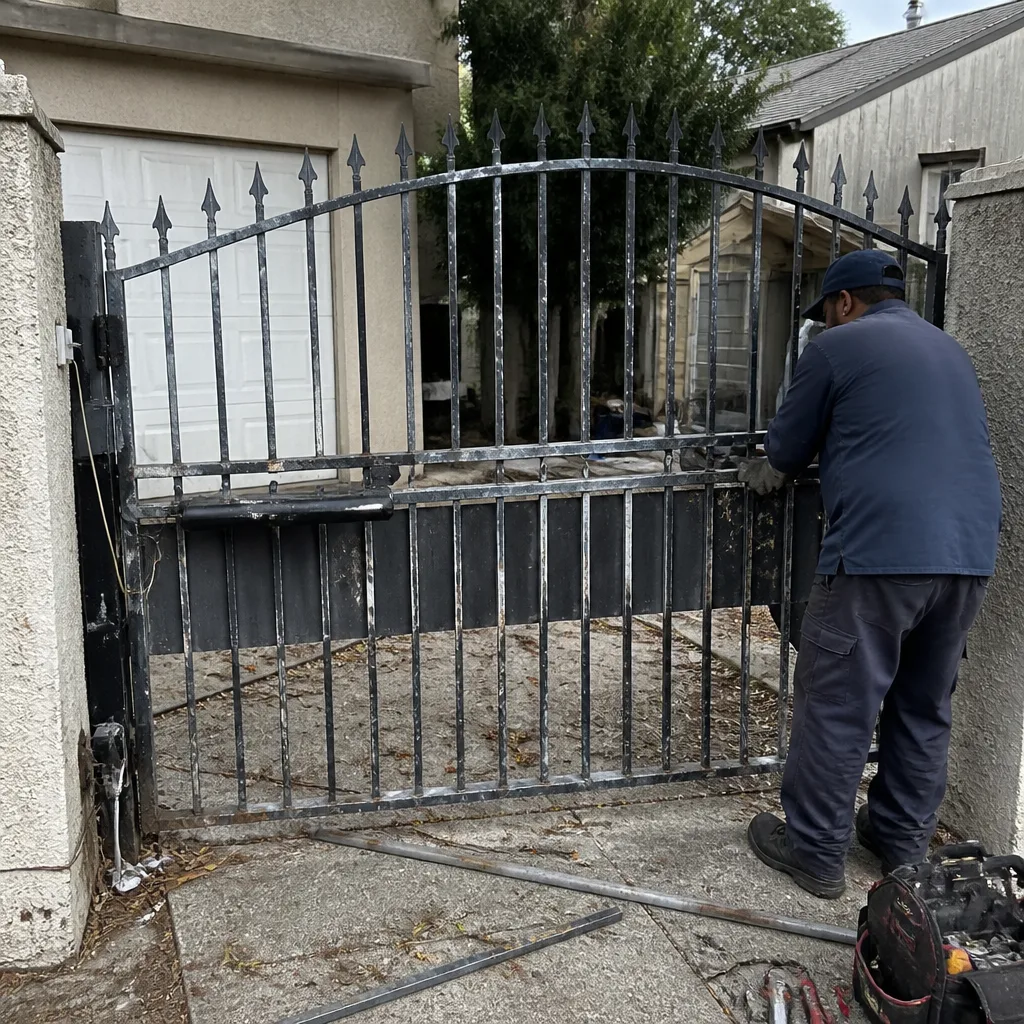 Before
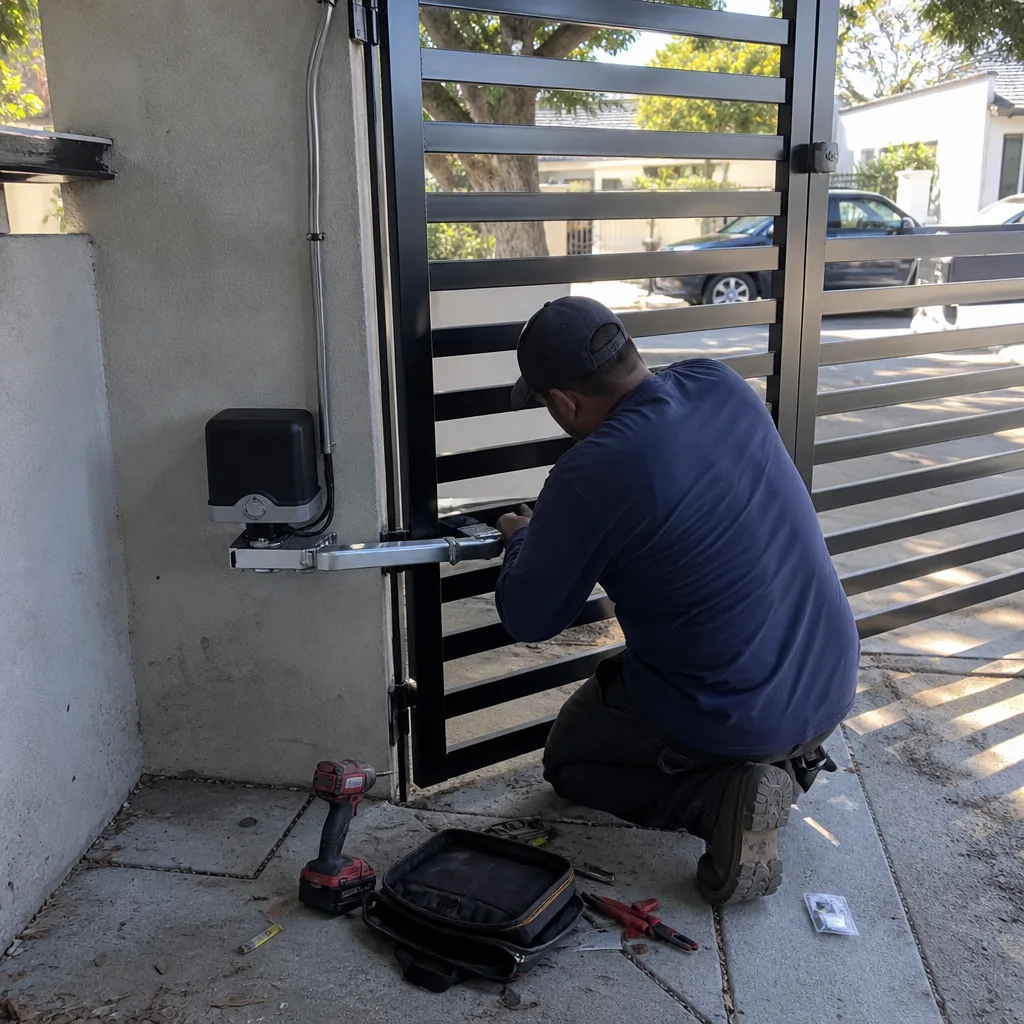 After
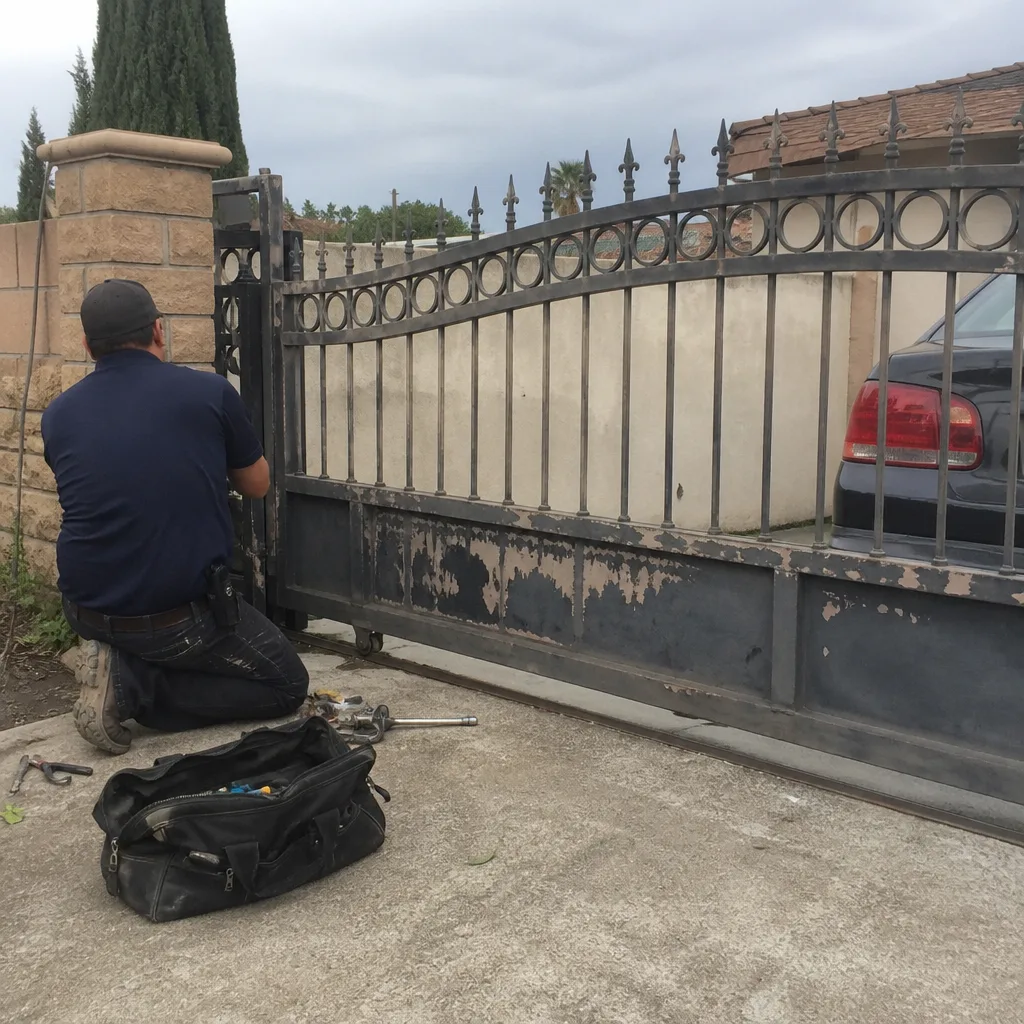 Before
 After
 Before
 After