
Last updated November 2, 2026
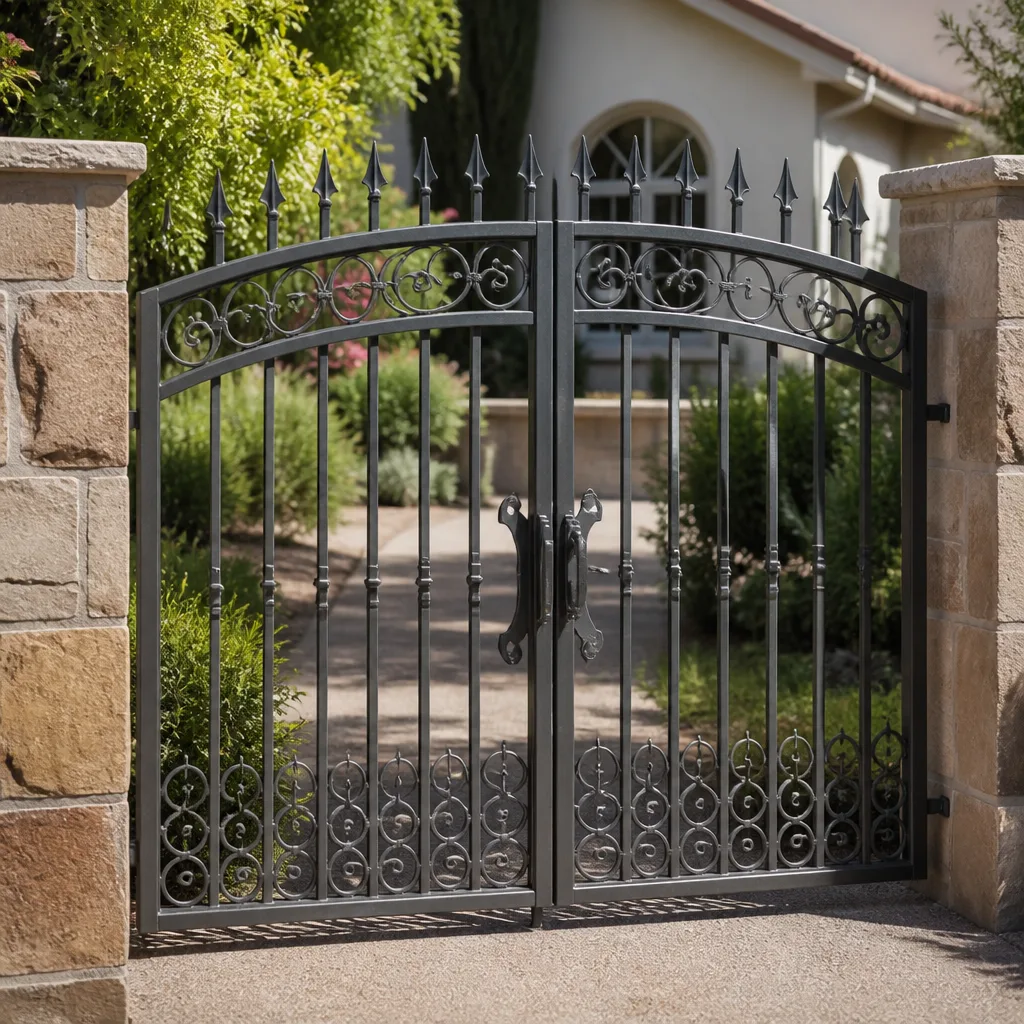 Wrought iron
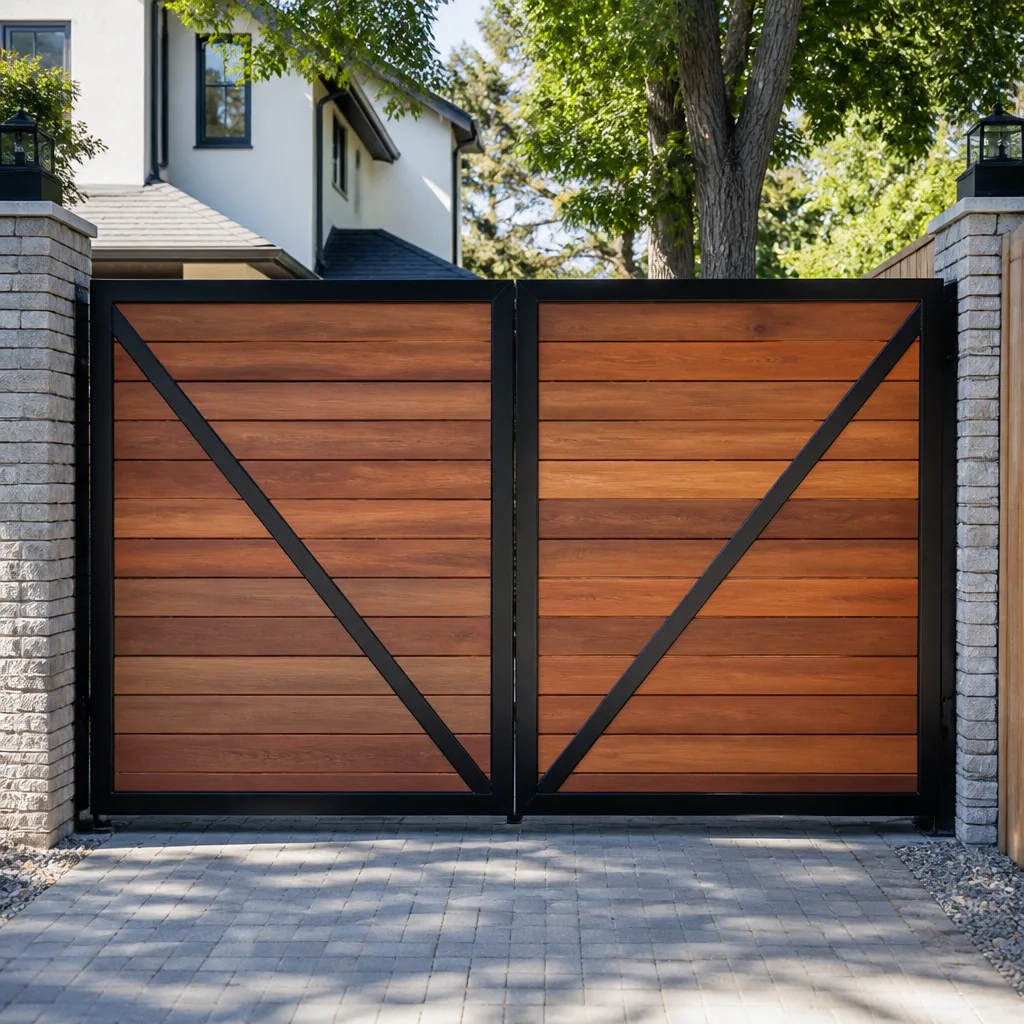 Wood & steel frame
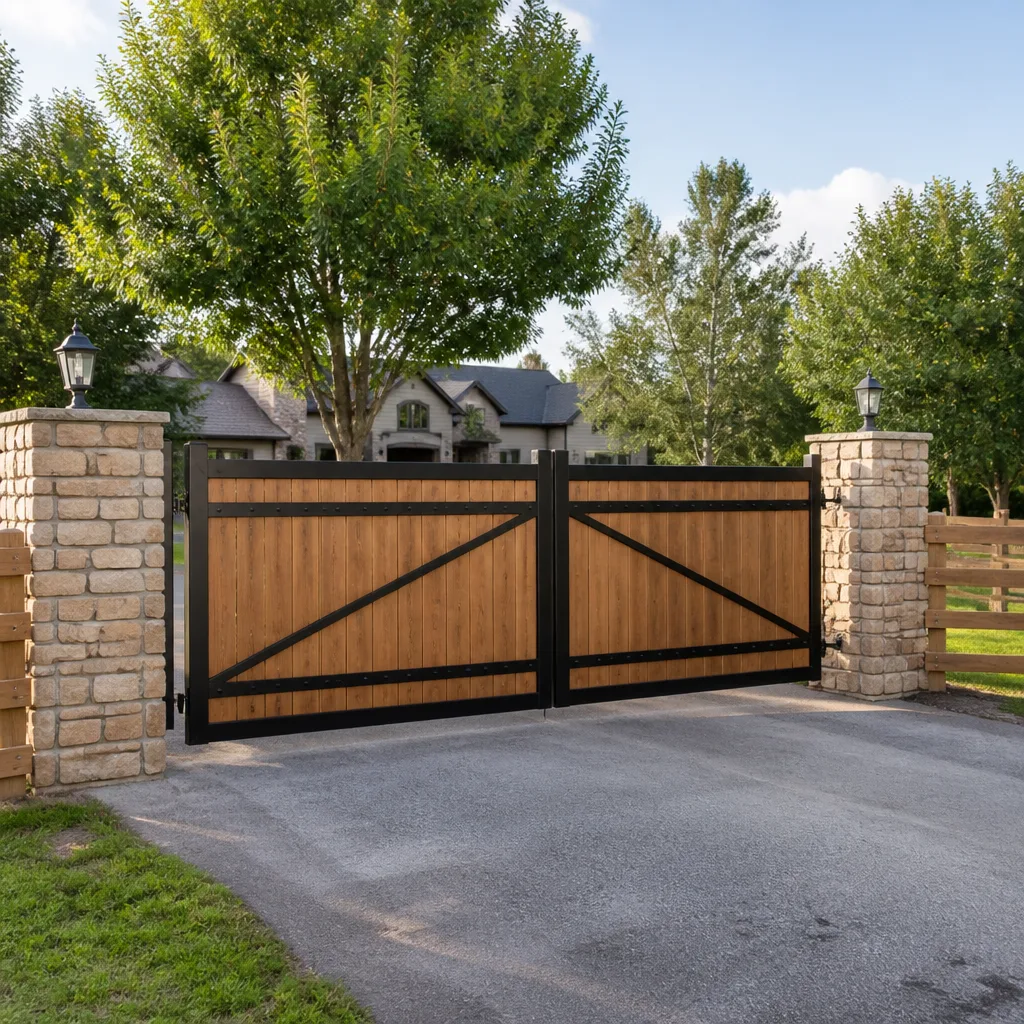 Farm & ranch
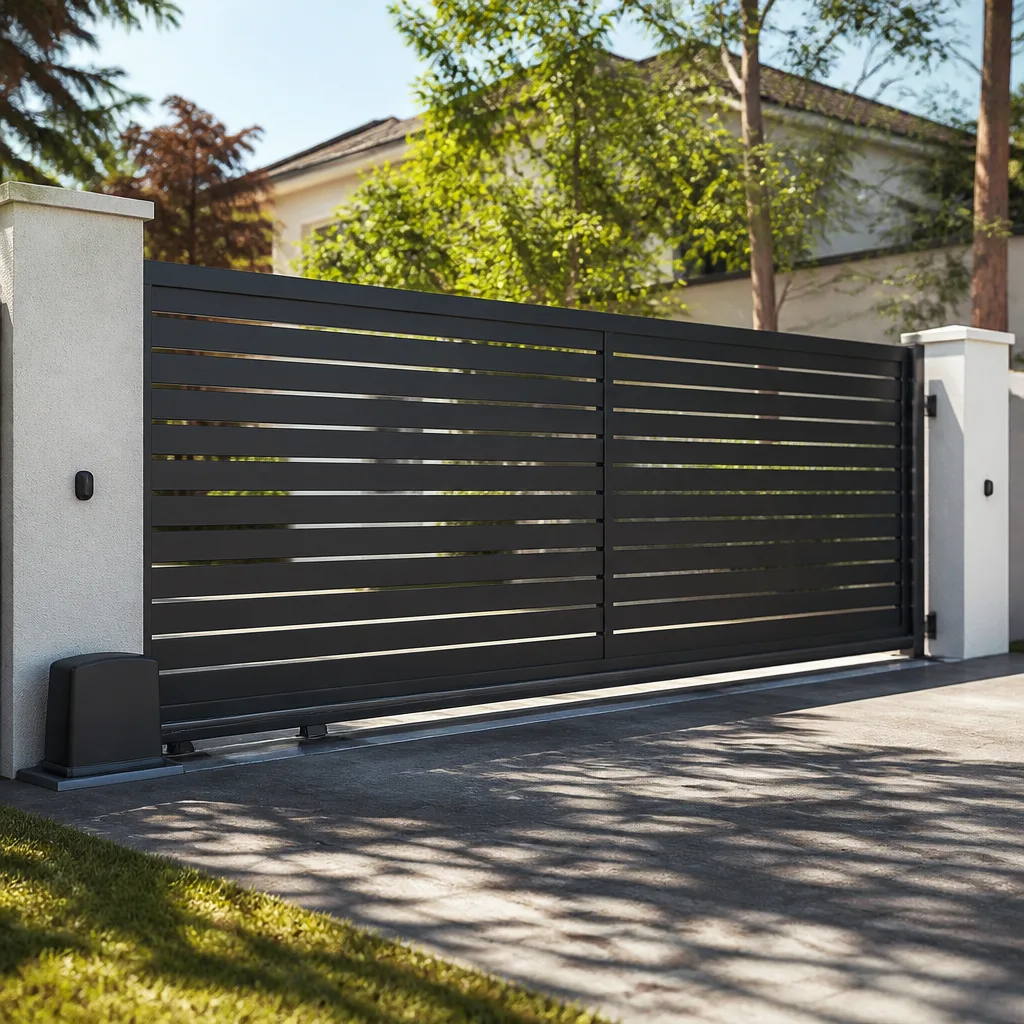 Sliding driveway gates
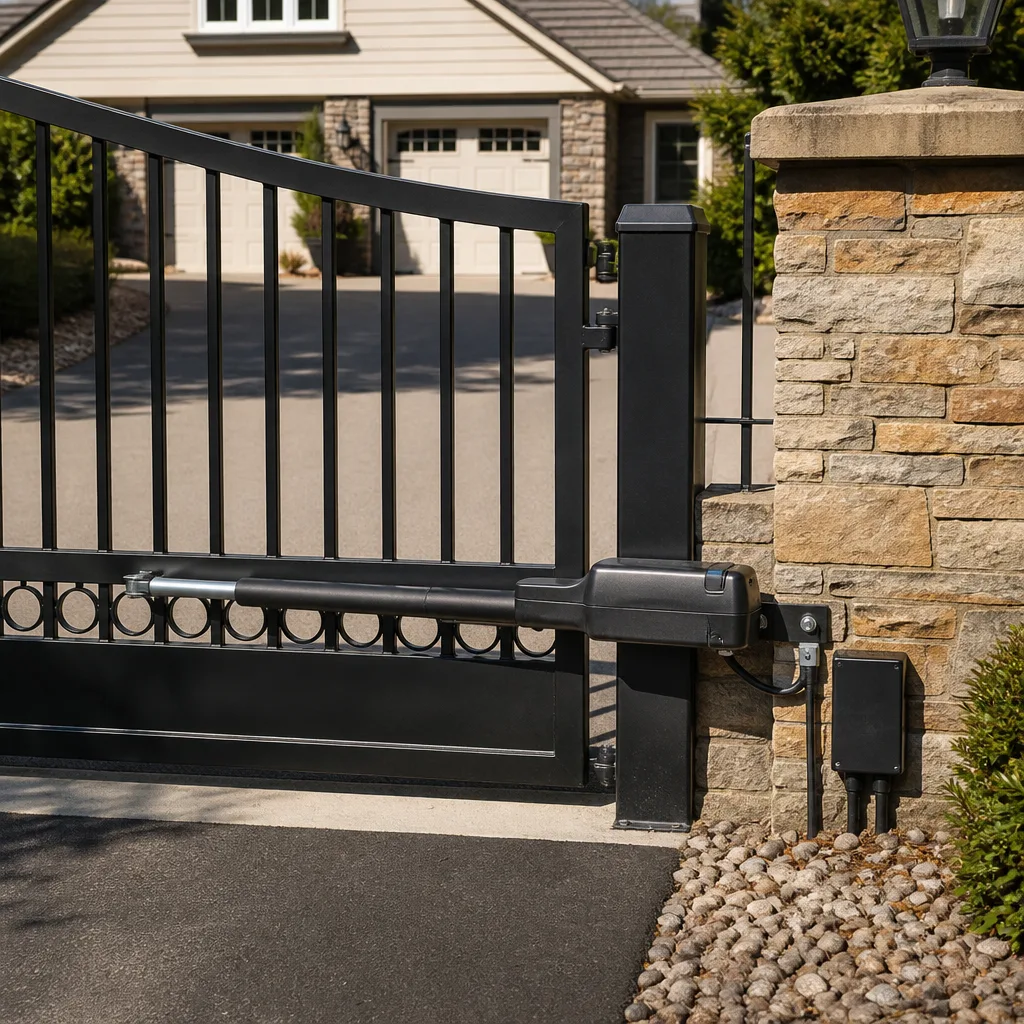 LiftMaster operators
Free on-site gate assessment - hinges, posts, and your LiftMaster or Nice gate operator checked before anything is quoted
The assessment is free and the quote is the invoice.
Get your free estimateGate Repair Troubleshooting: Common Problems and How to Fix Them
Lubricating a gate chain when the real issue is a slipping limit switch doesn’t just fail to fix the problem. It masks the symptom long enough for the motor to burn out completely. We’ve watched homeowners in Lake View Terrace spend weekends chasing the wrong repair because most online guides and more guides & resources treat every gate system as if it’s identical. The truth is a slow-opening slide gate on a chain drive fails for completely different reasons than the same symptom on a rack-and-pinion system. Conflating the two wastes time and can cause secondary damage that turns a $150 fix into a $900 motor replacement. This guide organizes problems by drive type and symptom, not just symptom alone.
Styles & brands we work with
- Wrought iron
- Wood & steel frame
- Farm & ranch
- Sliding driveway gates
- LiftMaster operators
Quick Answer
Most gate repair issues fall into four categories: power supply problems, limit switch failures, safety sensor misalignment, and mechanical wear on the drive system. The correct fix depends on your drive type (chain drive, rack-and-pinion, or hydraulic) and the specific symptom. Before calling a technician, review Gate Repair Warning Signs: A Lake View Terrace Homeowner’s Reference Guide, then check power at the disconnect, confirm the breaker hasn’t tripped, and look for any obstruction in the gate track. If the gate opens but won’t close, it’s almost always a misaligned safety sensor rather than a motor problem.
Table of Contents
- Symptom-to-Drive-Type Matrix: Diagnosing by System, Not Just Symptom
- Reading Operator Error Codes Across Major Brands
- The Three Safe Electrical Checks Before You Call
- When the Gate Opens But Won’t Close: Sensor Alignment in Two Minutes
- Mechanical Problem or Software Glitch? How to Tell Before Replacing Parts
- Chain Drive Systems: The Most Common Wear Points
- Rack-and-Pinion Systems: Diagnosis and Adjustment
- Hydraulic Operators: Pressure, Fluid, and Valve Issues
- Common Mistakes to Avoid
- When to Call a Professional
- Frequently Asked Questions
- The Bottom Line
Symptom-to-Drive-Type Matrix: Diagnosing by System, Not Just Symptom
Every gate troubleshooting guide starts with symptoms. That’s the problem. The same symptom means different things on different drive systems. Here’s what actually matters when a gate misbehaves in Lake View Terrace, where we deal with everything from dusty hillside conditions off Foothill Boulevard to the moisture patterns near Hansen Dam.
Slow Operation
- Chain drive: Usually a stretched or dry chain, worn sprockets, or a motor capacitor starting to fail. A stretched chain slips and causes jerky, slow movement. Capacitor failure reduces starting torque, so the gate struggles even if the chain is fine.
- Rack-and-pinion: Look for debris packed into the rack teeth, misalignment between the pinion gear and rack, or worn pinion teeth. If the gear is skipping teeth, you’ll hear it before you see slow movement.
- Hydraulic: Low fluid, a clogged filter, or a failing pump. Cold mornings in Lake View Terrace during winter make low fluid even more apparent because hydraulic fluid thickens as temperatures drop.
Grinding Noise
- Chain drive: A dry chain or misaligned sprockets. Chain tension matters more than most people think. Too tight and you load the motor bearings. Too loose and you get slap and accelerated wear.
- Rack-and-pinion: Pinion gear not fully engaging the rack, often because the gate post has shifted slightly or the rack has come loose in one section.
- Hydraulic: Aeration in the system (air bubbles in the fluid) from a low reservoir or a suction-side leak. The noise is distinct: a whining or growling sound, not a metallic grind.
Partial Movement Then Stop
- Chain drive: A slipping limit switch tells the operator the gate reached its full travel when it hasn’t. The gate stops mid-path because the control board thinks it’s done.
- Rack-and-pinion: A bent rack section or an obstruction in the track. The motor hits resistance and the obstruction sensor or current limiter cuts power.
- Hydraulic: A pressure relief valve opening early, or a cylinder leaking internally so it can’t hold pressure through the full stroke.
No Response at All
- Chain and rack drives: Check the control board fuse first. We’ve seen fuses blow on Ghost Controls and Linear operators from a single voltage spike during a Santa Ana wind event.
- Hydraulic: A dead motor contactor or a tripped overload. Hydraulic units draw significant current on startup, so if the contactor points are burned, the motor never actually receives power.
This matrix is the diagnostic frame we use on every service call. If you remember one thing from this section, remember this: drive type determines diagnosis. Matching the symptom to the system saves hours and prevents replacing parts that were never broken.
For readers in Lake View Terrace specifically, our gate technicians at Gate Repair in Lake View Terrace have worked on all three drive types across residential properties near the Angeles National Forest edge, where dust and wind complicate mechanical wear patterns.
Reading Operator Error Codes Across Major Brands
Most modern gate operators have diagnostic capabilities built in. The challenge is that each brand uses different codes, and many homeowner manuals are lost or never read. Here’s how to interpret the most common codes without a technician, and more importantly, which codes are safe to address yourself and which ones signal a real problem.
LiftMaster and Linear Operators
These brands typically flash the diagnostic LED a set number of times. A single flash usually means a wiring problem at the safety inputs. Two flashes often indicate a photo-eye obstruction or misalignment. Three flashes point to a force reversal issue, meaning the gate hit something and reversed. On LiftMaster slide gate operators, five flashes typically indicate a failed RPM sensor or a motor that’s not responding. That’s a technician-level repair. Don’t attempt it yourself.
FAAC and BFT Systems
These Italian-made operators use error codes shown on a small LCD or through a sequence of LED blinks. Error 01 on a FAAC board commonly indicates a photocell fault. Error 08 often signals a thermal overload trip. BFT systems use alphanumeric codes, and any code starting with “E” indicates an encoder or feedback problem. If you see an “E” code, the operator can’t verify gate position, and running it in auto mode risks damaging the gate or its own internal gearing.
Viking and DoorKing Units
Viking operators typically display codes like “AC” for an open or obstructed safety loop. DoorKing boards use numbered codes. Code 02 on many DoorKing telephone entry systems indicates a locked-up board from a power surge. A hard power cycle (removing DC power with the battery disconnected) clears some of these, but if the error returns immediately, the issue is on the board itself.
Ghost Controls
Ghost Controls systems are designed with the homeowner in mind. Their codes are listed directly in the manual, and many are resolvable by power cycling the unit and reprogramming the travel limits. If you see a flashing red LED accompanied by two beeps, that’s a limit switch problem. Reprogramming the limits takes about two minutes and requires no tools beyond a screwdriver to access the control panel.
Homeowner-safe codes: photo-eye misalignment, limit switch reset, remote control programming, obstruction errors. These are clearly documented and don’t require opening the motor housing or touching line-voltage wiring.
Specialist-required codes: motor overcurrent, encoder failure, capacitor faults, any code that persists after a full power cycle with the battery backup disconnected. These indicate a component has failed or is failing, and continuing to operate the gate can cause a cascading failure.
In our experience serving Lake View Terrace homeowners, we frequently see Viking and DoorKing operators on older properties near the equestrian areas, while newer installations on the hillside lean toward FAAC and BFT. The code interpretation is brand-specific, which is one reason we maintain working knowledge across nine major gate and operator brands including Linear, Viking, Ghost Controls, and DoorKing. Most gate technicians specialize in one or two brands. When we show up with multi-brand range, it usually means no second visit from a different technician.
The Three Safe Electrical Checks Before You Call
Before you pick up the phone, there are three electrical checks any homeowner can do safely. These don’t require opening the operator housing or touching line-voltage wiring. They simply rule out the most common causes of a completely dead gate.
Check 1: Power at the Disconnect
Every automatic gate should have a dedicated disconnect switch, usually mounted within sight of the operator. Make sure it hasn’t been accidentally switched off. This sounds obvious, but we’ve arrived at service calls in Lake View Terrace where a gardener, utility worker, or well-meaning neighbor flipped the disconnect thinking it controlled something else. The disconnect should have a visible indicator when in the ON position. If it’s a fused disconnect, check the fuse condition. If the disconnect is ON and the operator is still dark, move to Check 2.
Check 2: Circuit Breaker at the Panel
Gate operators draw significant current, especially on startup. If the circuit is shared with other equipment, a single surge can trip the breaker. Find the breaker labeled “gate” or “exterior” at your main panel. If it’s tripped (handle in the middle position or not fully ON), flip it fully OFF then back to ON. One trip can be a fluke. Two trips in the same week means something is drawing too much current, and that’s a diagnostic we handle as part of our Electric Gate Repair in Lake View Terrace service, covering motors, control boards, and safety loops.
Check 3: Receiver Signal Test
If the operator has power but doesn’t respond to the remote, try the wall station or keypad. If the wall station works and the remote doesn’t, the problem is in the receiver or the remote itself. Replace the remote battery first. On many systems, the receiver is a separate module that can be unplugged and re-seated. On Viking and DoorKing units, the receiver is often integrated into the control board, so a failing receiver can require board-level repair.
If all three checks pass and the gate still doesn’t move, the issue is internal to the operator or the drive mechanism. At that point, you need a gate specialist, not a general electrician. The distinction matters because diagnosing a motor capacitor requires different test equipment and experience than running a new circuit.
One note for Lake View Terrace residents: our area sees more dust accumulation than most parts of Los Angeles, thanks to proximity to the foothills and the Hansen Dam area. Dust in a receiver’s connector can create enough resistance to mimic a dead remote. We’ve fixed “dead receiver” calls by simply cleaning a connector with contact cleaner.
When the Gate Opens But Won’t Close: Sensor Alignment in Two Minutes
This is the most common gate complaint we hear in Lake View Terrace, and it’s almost never a motor problem. When a gate opens fine but refuses to close, it’s nearly always a safety sensor alignment issue. Here’s how to verify it in under two minutes.
Why the Gate Won’t Close
Automatic gate operators are designed to fail safe. If the photo-eye sensors (the small units on either side of the gate opening) lose alignment, get dirty, or become partly obstructed, the operator refuses to close the gate. This is intentional. The system would rather leave the gate open than risk closing on a person, vehicle, or animal. The sensor sends an infrared beam from the transmitter to the receiver. If that beam is broken or not received, the logic board interprets it as an obstruction and locks out the close function.
The Two-Minute Verification
- Locate both sensor units. They’re typically mounted on the gate posts or on gooseneck pedestals about 18 to 24 inches off the ground. One is the transmitter (usually labeled or with an LED indicator). The other is the receiver.
- Check the LED indicators. Most photo-eyes have a visible LED. A solid green light on the receiver typically means the beam is received. A red, blinking, or dark LED means the beam is broken, the units are misaligned, or the receiver has no power.
- Wipe both lenses with a dry cloth. In Lake View Terrace, dust and spider webs are the usual culprits. A single cobweb can block enough of the beam to trigger the safety lockout.
- Verify physical alignment. If cleaning doesn’t restore the solid green light, the post may have shifted. Look at the sensor housings from above. They should face each other directly. A slight bump from a vehicle can knock a post out of alignment by a half inch, which is enough to break the beam path.
If the LED is solid green and the gate still won’t close, you can temporarily test by pressing and holding the close button on the wall station. On most operators, holding the button overrides the safety input. If the gate closes while holding the button, the issue is confirmed in the sensor circuit. Release the button before the gate reaches full closure to avoid testing the limits.
If the gate still won’t close even with the override, the issue is likely a stuck relay on the control board or a programming fault. That’s a repair we handle routinely through our Gate Repair services, and it typically involves board-level diagnostics rather than any mechanical work on the gate itself.
Mechanical Problem or Software Glitch? How to Tell Before Replacing Parts
One of the most expensive mistakes we see is parts replacement chasing a problem that was never mechanical. Modern gate operators are as much software as hardware. A control board running outdated firmware or a lost travel limit setting can produce symptoms that look exactly like a failing motor or a bad gearbox.
Signs the Problem Is Software or Programming
- The gate operates fine in one mode (manual or hold-to-run) but not in automatic. This points to a programming issue. The motor and drive are working. The board’s auto logic is not.
- The gate stops at random positions rather than a consistent spot. Mechanical failures happen at the same position every time. Software errors appear random because they’re caused by interrupted signals or corrupted travel data.
- The remote works intermittently even with fresh batteries and a clean receiver. On systems with rolling code technology, a board reset can drop registered transmitters. Re-learning the remotes fixes this in minutes.
- The gate reverses immediately after closing, but there’s no physical obstruction. This often means the force sensitivity setting is too low for the gate’s actual resistance, or the auto-close timer is fighting an older safety loop. A loop detector calibration resolves this.
Signs the Problem Is Mechanical
- The noise level changes. A gearbox losing lubrication or a bearing wearing out announces itself audibly before it fails completely.
- The gate moves normally when you push it manually. If the gate is easy to move by hand but the motor struggles, the issue could be a failing capacitor or a coupling between the motor and the drive.
- The gate binds at a specific point in its travel. Consistent binding at the same spot means a physical obstruction, a bent track section, or a misaligned rack.
The takeaway: listen, watch for consistency, and don’t assume a moving gate means a healthy motor. When we diagnose electric gate issues in Lake View Terrace, we always check software settings before recommending any hardware replacement. It’s faster, cheaper for the customer, and often resolves issues that have persisted through multiple attempts by less specialized technicians.
For property managers overseeing commercial access systems, this distinction is especially important. A DoorKing or Viking operator that “acts erratically” may simply need its travel limits reprogrammed after a new gate leaf was installed, rather than a new control board. We handle both residential-grade systems (Ghost Controls, Mighty Mule) and commercial/industrial operators (FAAC, BFT, DoorKing), which means the diagnostic approach scales from a single driveway gate to an access-control system for an entire property.
Chain Drive Systems: The Most Common Wear Points
Chain drive gate operators remain common in Lake View Terrace, especially on older slide gates installed in the 1990s and early 2000s. They’re simple, durable, and forgiving of misalignment. But their wear points are predictable, and catching them early prevents motor failure.
Chain Tension
A chain that’s too loose will skip teeth on the drive sprocket, which produces a jerky motion and eventually wears the sprocket tips. A chain that’s too tight loads the motor bearings and the driven shaft, shortening their lifespan. Proper tension varies by operator manufacturer, but a general rule is no more than 1 to 2 inches of vertical deflection at the midpoint of the longest run. Tension adjustment is a maintenance task, and it’s one that a gate specialist can do in under 15 minutes.
Sprocket Wear
Sprocket teeth wear into a hook shape over time. When the teeth hook, they continue to drive the chain, but they’re effectively shredding the rollers. If your sprockets have visible hooking or the chain sits loose on the sprocket even when tension is correct, replace them. Continuing to run a worn sprocket set is the most common cause of chain failure and sudden, complete loss of gate operation.
Chain Lubrication
Gate chains run in environments with dust, rain, and temperature swings. In Lake View Terrace, the dry summer months pull lubricant out of chains faster than coastal areas. A dry chain binds, stretches unevenly, and increases the load on the motor. Use a chain-specific lubricant (not WD-40, which is a solvent and will strip existing lubrication). Apply it sparingly to the inside of the chain run where it contacts the sprockets.
Limit Switch Assembly
Chain drive operators use mechanical limit switches that physically trip when the gate reaches its travel ends. These switches are mounted on a threaded shaft or a cam assembly. Over time, they drift, especially if the gate is cycled frequently. A drifting limit switch causes the gate to stop short or over-travel. If your gate stops at slightly different positions each cycle, the limit assembly is the prime suspect, not the motor.
A note on safety: chain drives involve moving components under tension. If you’re inspecting a chain system, disconnect power at the breaker or the disconnect switch before touching anything. A chain under load can take fingers. For any adjustment or replacement on the drive mechanism, we recommend a trained professional.
Rack-and-Pinion Systems: Diagnosis and Adjustment
Rack-and-pinion drives are the standard on modern slide gates. The operator pinion gear engages a toothed rack mounted along the gate frame. The system is clean, requires minimal lubrication, and handles longer, heavier gates than most chain systems. But it has its own failure modes.
Rack Alignment
The pinion gear must engage the rack at the correct depth. Too shallow and the gear skips. Too deep and you get binding and accelerated wear on both components. If a gate post has settled or been bumped, the gate leaf can drop or shift, throwing off the engagement depth along part of the run. You’ll hear it as a rhythmic clicking or grinding as the gate passes the misaligned section.
Pinion Gear Wear
The pinion gear on the operator is a wear item. When its teeth round over, you lose smooth engagement. The symptom is often described as “slack in the drive”: the gate moves normally, then surges, then moves normally. Replacing the pinion is a straightforward repair for a gate technician and dramatically cheaper than replacing the operator.
Rack Fastener Condition
Rack sections are typically bolted or welded to the gate frame. Bolted racks can work loose over time, especially on gates that get heavy daily use or sit near washboard roads where vibration transmits up through the gate. A single loose rack section causes the pinion to disengage briefly at that point, which shows up as a thunk and a hesitation.
Debris in the Rack Teeth
In Lake View Terrace, where wind kicks up sand and leaves from the foothills, debris in rack teeth is a real issue. Packed sand or small gravel in the rack can cause the same skipping symptom as a worn pinion. A thorough brushing of the rack with a stiff brush often resolves the issue without any parts replacement. This is a two-minute homeowner-safe check.
For rack-and-pinion systems, most adjustments require loosening the operator mounting bolts and re-shimming, which is beyond what we recommend for DIY work. The operator is heavy, and a misaligned pinion under load is genuinely dangerous. Our gate installation and repair teams handle these adjustments regularly as part of our work across Lake View Terrace.
Hydraulic Operators: Pressure, Fluid, and Valve Issues
Hydraulic gate operators appear mostly on heavy commercial and estate gates. They’re durable and capable of moving gates that would destroy an electromechanical operator. But hydraulics introduce fluid, pressure, and valve systems that most homeowners never think about.
Fluid Level and Condition
Hydraulic fluid is the lifeblood of the system. Low fluid causes jerky movement, slow operation, and increased pump noise. Checking fluid level is a homeowner-safe task if you can see the reservoir through an inspection window or a dipstick. If the fluid is dark, cloudy, or has visible particles floating in it, the system needs a fluid change and filter replacement. Contaminated fluid accelerates pump and cylinder wear.
Pressure Relief Valve
The pressure relief valve protects the system from over-pressurization. If it’s set too low, the gate may stall partway through its travel under load. If it’s set too high, a jammed gate can cause line or cylinder damage. Adjusting a pressure relief valve requires a pressure gauge and knowledge of the system’s rated pressure. This is not a homeowner adjustment.
Cylinder Seal Wear
Hydraulic cylinders move the gate through either direct action or a drive linkage. Internal seal wear allows fluid to bypass the piston, which means the cylinder can’t deliver full force. The symptom is a gate that slows significantly under load or drifts back when it should hold position. External leaks show as oil staining around the cylinder rod or the fittings.
Suction-Side Leaks
A suction-side leak is a leak between the reservoir and the pump that allows air to enter the system rather than fluid to escape. You can’t always see it, because air gets in where fluid doesn’t come out. The symptom is a whining or growling pump and erratic gate movement. This requires a technician to trace and repair.
Hydraulic systems are less common on residential properties in Lake View Terrace but appear regularly on commercial installations. We maintain multi-brand capability on hydraulic operators including units integrated with FAAC and BFT systems, and we can diagnose and repair these alongside the more common electromechanical drives.
Common Mistakes to Avoid
- Lubricating without diagnosing. Adding chain lube to a gate with a slipping limit switch hides the real problem and buys time for the motor to overheat. Diagnose first, lubricate only when the chain is actually dry and making noise.
- Adjusting the force setting to “fix” a binding gate. If the gate is binding, increasing force sensitivity does not remove the bind. It just makes the gate push harder through the obstruction, which accelerates wear on the motor, the drive, and the gate hardware itself. Find the bind.
- Replacing the remote before checking the receiver. If a new remote battery doesn’t solve an unresponsive gate and the wall station works fine, the problem is in the receiver or the board, not the remote. Don’t throw parts at the problem.
- Power cycling repeatedly hoping a fault clears. One hard power cycle with the battery disconnected can clear a latched fault. Repeated cycling when the underlying issue remains can damage the board and erase programming. If it doesn’t clear the first time, call someone.
- Ignoring an intermittent problem because “it works most of the time.” Intermittent faults are the most dangerous kind. A gate that sometimes fails to close leaves a property vulnerable. A gate that sometimes reverses mid-travel without cause can hurt someone. Treat intermittency as a real fault and address it.
- Using generic lubricants on gate hardware. Household penetrating oils break down chain lubrication and can wash grease out of bearings. Use lubricants actually rated for the application.
- Attempting spring or drive adjustments under tension. Gate systems involve stored energy in springs, chains under load, and heavy leaves that can move suddenly. Never disconnect power and immediately reach into a drive mechanism. Even with power off, a gate can roll if the chain is disconnected or the clutch is disengaged.
When to Call a Professional
Some problems are worth a DIY look. Others are not. Call a gate specialist when the operator shows repeated overcurrent faults, when you hear grinding you can’t isolate, when the gate moves on its own without a command, or when the system involves hydraulics, commercial-grade operators, or gate leaves heavy enough to require mechanical assistance to move. Safety sensors that fail repeatedly, boards that lose programming after power cycles, and any issue involving line-voltage wiring inside the operator housing are all specialist territory. If the gate weighs more than you can comfortably push by hand, treat it as a system that can seriously injure you. Gate Repair Lake View Terrace offers free estimates in Lake View Terrace. Call (833) 696-4511 and we’ll identify the problem and give you an upfront number before any work starts.
Frequently Asked Questions
The most common reason an automatic gate stops working is a power supply interruption, followed closely by misaligned safety photo-eyes. Check the breaker, the disconnect switch, and the sensor LED indicators before assuming the operator has failed.
A gate that opens on its own is usually receiving a stray signal from a nearby remote or radio source, or the auto-open loop detector is picking up false triggers. On some Viking and DoorKing systems, a weak receiver can also allow spurious activation from adjacent transmitters on shared frequencies.
Gate repair in Lake View Terrace generally runs from $125 for simple diagnostics and sensor realignment to $450 to $900 for control board replacement or motor work. Exact pricing depends on the operator brand, the drive type, and whether commercial-grade components are involved. Call (833) 696-4511 for a free estimate with an upfront price before any work begins.
If you’re comfortable with low-voltage wiring and mechanical work, some residential retrofits using Ghost Controls or Mighty Mule kits are designed for homeowner installation. However, any operator with line-voltage connections, hydraulic components, or integrated access control should be installed by a trained gate technician.
A gate that won’t open is typically a power, capacitor, motor, or drive system issue. A gate that won’t close is typically a safety sensor, obstruction detection, or limit switch issue. The two failures have different diagnostic paths, and fixing one does not fix the other.
Gate Repair Lake View Terrace services operators from nine major brands including Linear, Viking, Ghost Controls, and DoorKing. We’re a dedicated gate specialist, not a general contractor, and we cover both residential and commercial drive systems under one roof.
The Bottom Line
Gate repair troubleshooting works when you match the symptom to the drive type and the specific operator brand. Chain drives wear at the sprockets and limit switches. Rack-and-pinion systems fail at the engagement points and the rack fasteners. Hydraulic units degrade through fluid condition and valve settings. Software faults masquerade as mechanical ones, and a gate that opens but won’t close is almost always a sensor issue. Before you call, check power at the disconnect, check the breaker, and clean the photo-eyes. If those checks don’t resolve the problem, or if you’re dealing with a heavy gate, a commercial operator, or anything involving internal wiring, call a specialist at Gate Repair Lake View Terrace. That one call covers diagnostics, repair, or replacement, all from technicians who work on your specific brand. For installation of a new system, see our Gate Installation in Lake View Terrace page.
Written by the team at Gate Repair Lake View Terrace, serving Lake View Terrace since 2012.
See the difference
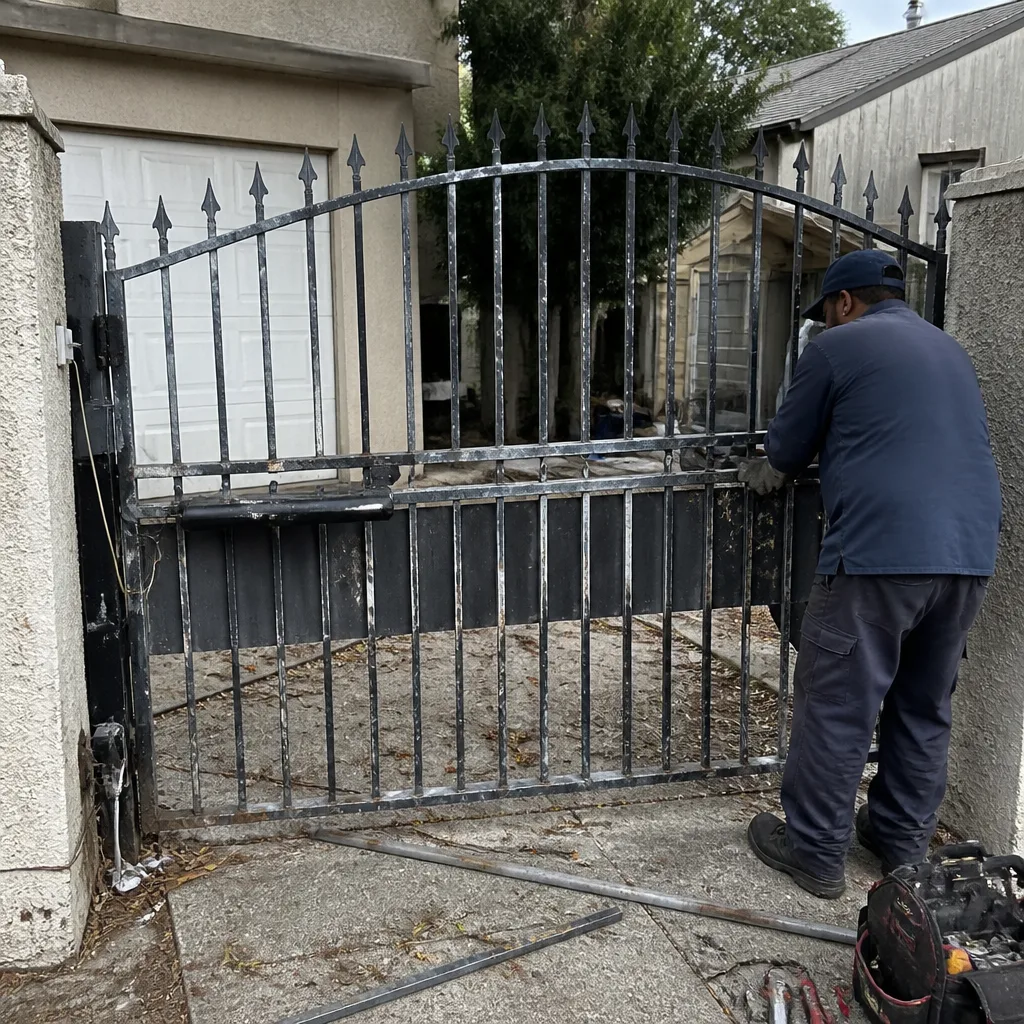 Before
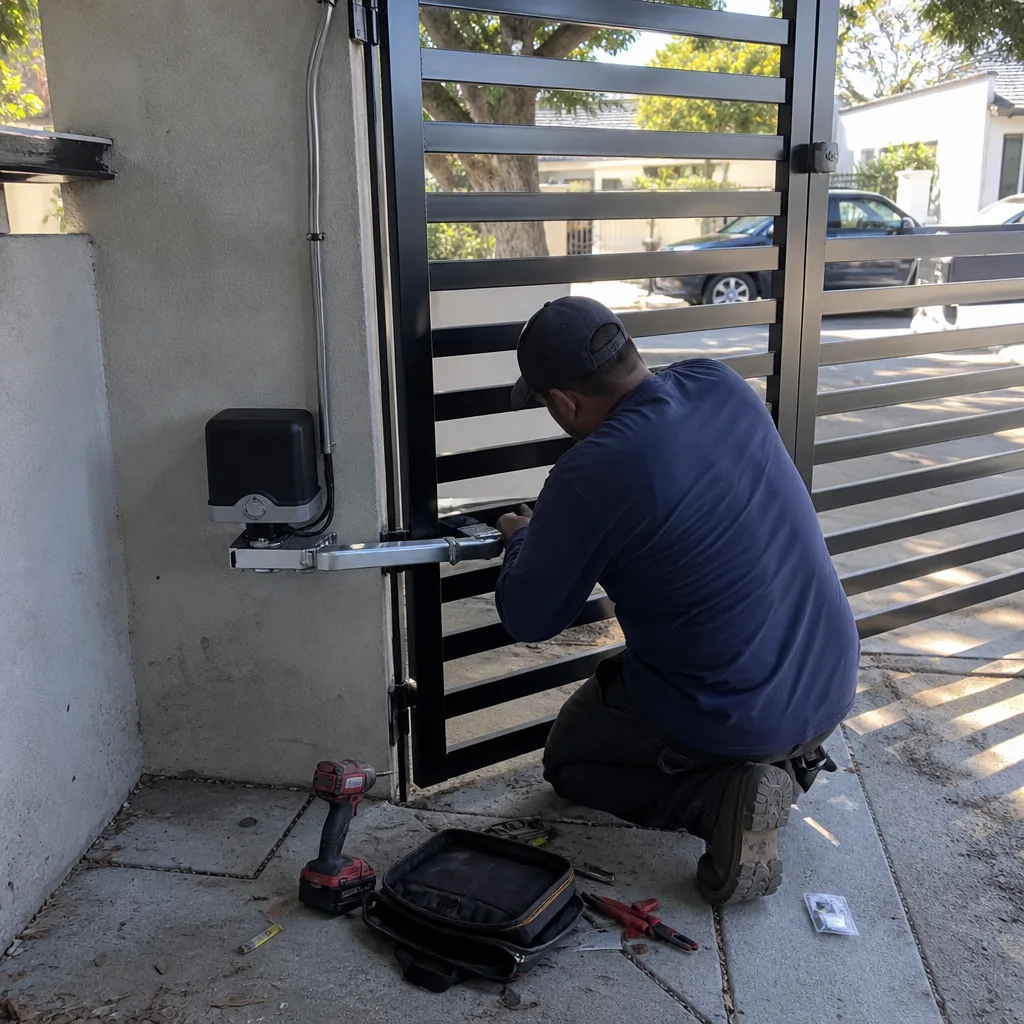 After
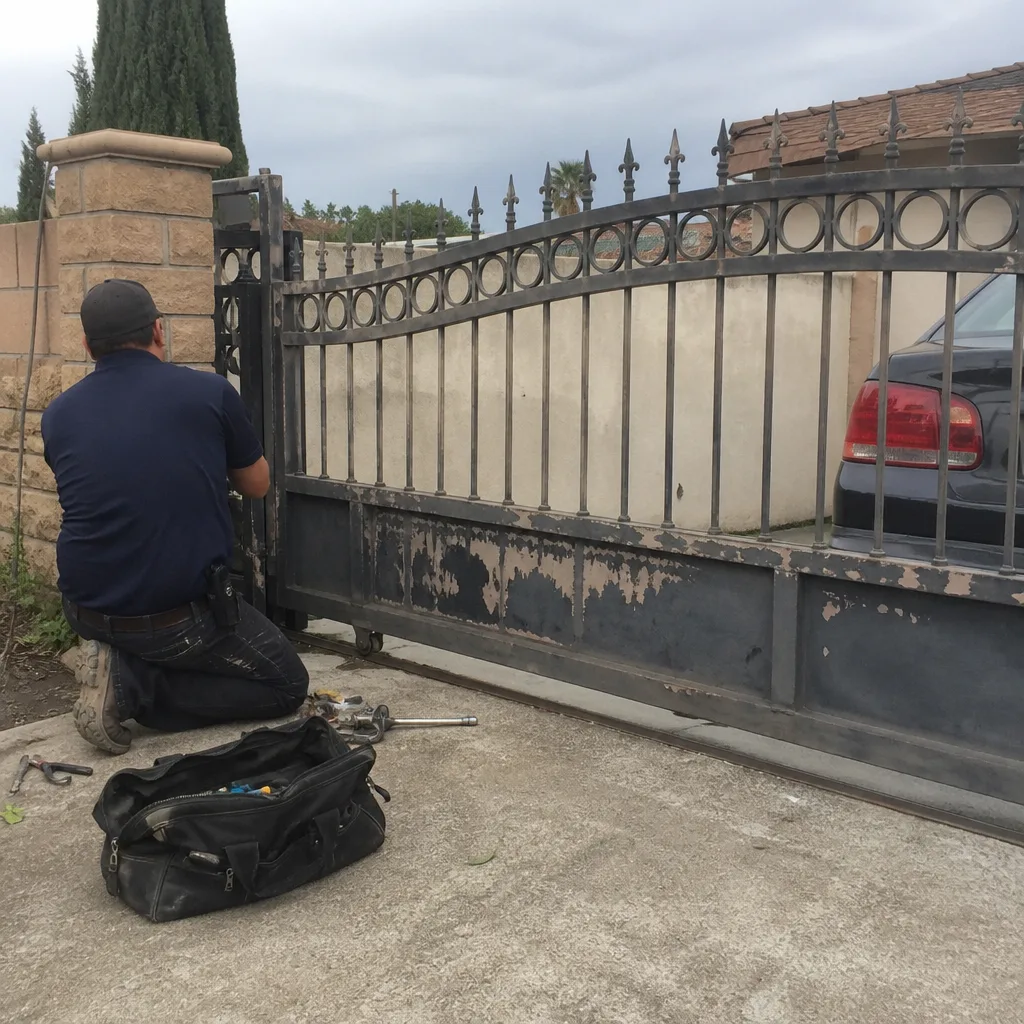 Before
 After
 Before
 After